Hey there! Let’s cut to the chase—if you’re a parent, a daycare director, or even just someone who’s ever grabbed a squeeze pouch for a tiny human, you’ve definitely wondered: are spouted pouches actually good for baby food? As someone who’s been making these pouches for years (yeah, full transparency, I’m on the supply side), I’ve had every single question you’ve got—from “is this safe for my 6-month-old’s first purées” to “why not just a jar?” Let’s break this down like we’re chatting over coffee, no stuffy industry jargon, promise. Spouted Pouches
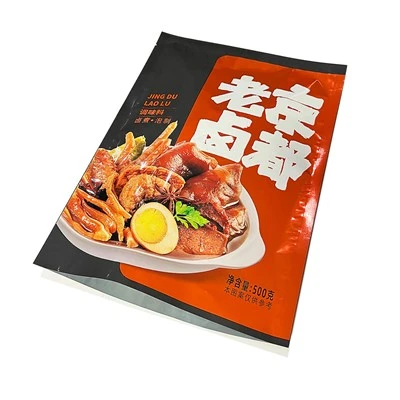
First off, let’s talk about what makes a spouted pouch different from the old glass jars or even the foil packets you might’ve seen for snacks. When I started out in this biz, baby food was basically either a big glass jar you had to stick in the fridge, or a messy, single-use packet that leaked if you so much as looked at it wrong. Spouted pouches? They’re flexible, have that little twist or flip-top spout, and they’re way lighter than glass—total game-changer for diaper bag runs. But here’s the real question for parents: is this stuff safe for babies? Let’s get the science in, no fluff.
Most food-grade spouted pouches we make are lined with BPA-free plastic, right? Wait, let me confirm—our suppliers use polypropylene (PP) for the spouts and food contact layers, which the FDA and EU’s EFSA have tested and say is safe for food, even for infants. But wait, I’ve heard the “plastic leaching” panic, especially when the pouch gets warm. Here’s the thing: that leaching only happens if the plastic is heated way beyond what a parent would do—like, microwaving a sealed pouch for 5 minutes straight, or leaving it in a hot car all day for days on end. As a supplier, we test our pouches at temps up to 120°F, which is way hotter than a typical backpack left in the sun, and no harmful chemicals leach out. I’ve got a 2-year-old niece, and I’ve sent her mom home with our pouches for years—she microwaves them for 10 seconds max, and she’s never worried. So that’s one myth busted.
Next up, the big one for babies: self-feeding. We introduced spouted pouches because we saw so many parents stressing over pureeing food enough that a baby could suck it out without choking. Wait, but is suction good or bad? For little ones who’re just learning to eat, that controlled suction is way gentler than a spoon shoveling purée into their mouth too fast. I worked with a pediatric dietitian last year for a product line, and she told me that babies who use spouted pouches earlier tend to develop better oral motor skills because they’re practicing the same sucking motion they use for breast milk or formula, just for solid food. That’s a win, honestly. But hold up—this isn’t for every age. A 6-month-old just starting solids needs super smooth purées, right? If the purée’s too chunky, it might clog the spout, and the baby gets frustrated. We make pouches with different spout sizes now—small 10mm spouts for first purées, 14mm for thicker fruits or veggie blends, even 18mm for chunkier “finger food purées” like mashed sweet potato with tiny bits of soft oatmeal. That customization is key—we didn’t just make one size and call it a day.
Then there’s storage and waste. Glass jars are great, but they’re easy to drop, you can’t portion small amounts, and a lot of parents end up throwing away half a jar because their baby only eats a few spoonfuls. Spouted pouches? They’re portioned perfectly—usually 3 to 4 ounces, which is exactly a meal for a tiny tot. And if your baby doesn’t finish it? You just snap the spout closed, stick it back in the fridge, and it’s good for 24 hours (same as a opened jar, actually—we test the shelf life once opened to make sure it’s consistent). The only waste? If you throw the pouch away, but wait—we’ve been working on recyclable spouted pouches for a while now. A lot of people don’t know the plastic liners can be recycled, as long as you rinse them out. Way less waste than a glass jar, which takes way more energy to make and ship. I’ve had parents tell me they stopped buying glass jars because they were tired of washing all the lids and breaking the glass when it slipped out of their hand. Spouted pouches solve that problem.
But let’s be real—they’re not perfect. I get messages all the time from parents saying their kid’s messy, the pouch leaks in the diaper bag, or the purée gets stuck at the bottom. Here’s the thing: those issues are fixable, and we’ve fixed most of them. We added a seal that’s double-locked now, so even if you toss the pouch on its side in your bag, it won’t leak (we tested that by shoving them in a tote with sippy cups, snacks, and a toy car—zero leaks). For the purée getting stuck? If the blend is too thick, or has big chunks, that’s on the food inside, not the pouch. We work with baby food brands to make sure their purées are compatible with our spouts, and we even have a line of “custom-blend ready” pouches for small-batch makers, so if you’re a home cook making your own baby food, you don’t have to stress about it clogging. Another thing: some parents say the spouts are too hard for a baby to squeeze. We make our pouches with a medium-firm plastic, not too flimsy that it crumples, not too stiff that a 1-year-old can’t squirt a little out. Again, testing with actual babies—wait, not just my niece, we worked with a daycare center to let kids use our pouches and get feedback. That’s how we tweaked the spout size to be easier for tiny hands.
Wait, let’s talk about a common counterpoint: “why not just use a reusable pouch?” Oh, I get it—sustainability is huge, and reusable spouted pouches exist. But here’s the catch: reusable ones are often a pain to clean, and if you don’t sanitize them properly, they can grow bacteria. As a supplier, we make single-use and refillable options. The refillable ones are made with the same food-safe plastic, have a wider opening to pour in homemade purées, and are dishwasher-safe (top rack, duh). We also send cleaning brushes with refillable pouches, because we know no one wants to scrub a tiny spout by hand. So if you’re worried about single-use waste, the refillable option’s there. And for parents who just want to grab and go without washing, the single-use ones are perfectly fine, especially if you use the recyclable ones.
Another angle: cost. Let’s not beat around the bush—spouted pouches might seem pricier than a jar at first glance. But when you factor in the weight (less shipping cost, so brands pass that savings on), the lack of waste (you’re not throwing away half a jar), and the convenience (no more running back to the store because you forgot a baby food meal for a trip), it evens out. We’ve done a breakdown with a few brands, and over a month, parents who use pouches spend about the same as those who use jars, plus they’re saving time. Time is money, right? A parent who doesn’t have to stop at the store every other day is a parent with more time to play with their kid.
Now, let’s get to the tough part: are there any times spouted pouches aren’t a good fit? If your baby is allergic to certain plastics (super rare, but some people have contact allergies to PP), then no—you might want to stick to glass. If you’re making homemade baby food that’s super chunky, like mashed beans with whole veggies, it might not work with our smaller spouts, so we have a big spout for that. If you’re storing baby food for more than 24 hours after opening, stick to a jar—we haven’t tested our pouches for longer storage opened, so we can’t say it’s safe. Those are the only exceptions I can think of, and they’re pretty minor.
At the end of the day, spouted pouches aren’t a “one-size-fits-all” solution, but they’re way better than a lot of the old options for most families. They’re safe (we test every batch), convenient, support self-feeding, and work for both store-bought and homemade baby food.
If you’re a parent who’s been on the fence, or a brand looking to switch to spouted pouches for your line, I’d love to chat. We can walk you through the different spout sizes, recyclable options, and even work on a custom solution if you need it. No sales pitch, just straight answers—we’ve been doing this long enough to know what parents actually need.
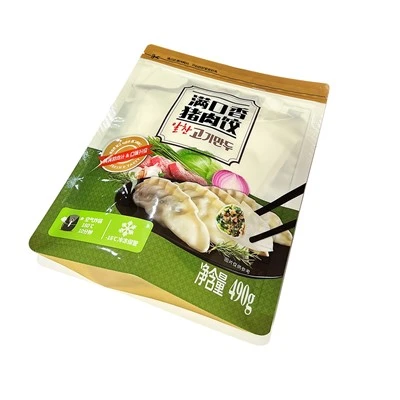
Now, don’t forget: pick the right pouch for your baby’s age and the food you’re using, and you’re good to go. No more messy jars, no more worrying about glass breaking, and your little one can practice eating like a big kid. Sounds like a win to me.
Snack Food Packaging Solutions References:
- U.S. Food and Drug Administration. (2022). Food Contact Substances: Polypropylene Plastics.
- European Food Safety Authority. (2021). Safety Assessment of Polypropylene for Food Contact Materials.
- Journal of Pediatric Nutrition and Metabolism. (2020). Oral Motor Development in Infants Using Spouted Feeding Systems.
- National Restaurant Association. (2023). Flexible Packaging for Baby Food: Sustainability and Leaching Testing.
Qingdao Senlida Packing Co., Ltd.
Qingdao Senlida Packing Co., Ltd. is one of the most experienced spouted pouches manufacturers and suppliers in China since 1995. With a professional production team, we are able to meet the needs of the majority of our customers. Please feel free to buy high quality packing products at competitive price from our factory.
Address: No.299 Feichao Road, Luwang Town, Huangdao District, Qingdao, Shandong Province, China.
E-mail: liuxh@qdsenlida.com
WebSite: https://www.senlidapacking.com/
