If you’ve ever fumbled around the shower floor for a slippery bar of soap that’s left mushy and waterlogged, you know how much a good soap dish matters. As someone who’s spent the last decade sourcing and fabricating natural marble for architectural and home goods projects, I get asked all the time: “How do you make that sleek, weighty marble soap dish that lasts for years, not just a few months?” It’s not just about cutting a slab of stone and calling it done—marble is a porous, naturally variable material, so crafting a soap dish that’s functional, durable, and beautiful requires attention to detail at every step. I’m going to walk you through the whole process, from selecting the right slab for soap dishes to the finishing touches that turn a raw chunk of stone into a practical, timeless piece. Marble

First, let’s talk about why marble is such a great choice for a soap dish—way better than plastic, ceramic, or even concrete for most people. Natural marble is dense enough to hold its weight on a shower ledge or bathroom counter, it’s naturally bacteria-resistant (unlike porous materials that can trap moisture and grime), and it ages beautifully, developing a soft patina over time that makes each piece unique. As a marble supplier, I often hear customers worry that marble will get stained by soap scum or hard water, and that’s a valid concern—but it’s totally avoidable with the right selection and sealing.
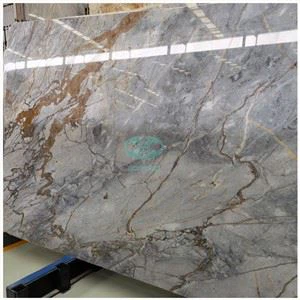
The first step in making a marble soap dish is picking the right slab from our warehouse. Not all marble is created equal, and soap dishes need a stone that’s sturdy enough to hold its shape, but not so dense that it’s impossible to cut into the shallow, curved or divoted shape that lets water drain away. We specifically look for marble with low porosity and minimal veining that’s not overly fragile. For example, Carrara marble is a popular pick because it’s abundant, has a consistent fine-grain texture, and holds up really well for soap dishes, while Calacatta marble works if you want a more dramatic, high-end piece. We avoid marbles with large, porous pockets or excessive fine cracks that would be prone to chipping during fabrication. When you come to our showroom to pick your soap dish, I always pull three or four matching slabs so you can choose one with the exact veining pattern you love—no two marble pieces are ever identical, which is part of their charm.
Once we select the slab, the actual fabrication starts with marking and cutting the stone. We use a high-precision diamond saw, the same tool we use for larger countertops, but we adjust the blade to make shallow, clean cuts so we don’t waste material or risk damaging the slab. For a standard soap dish, we cut a square or rectangular blank that’s about 4 inches wide and 6 inches long—big enough to hold a bar of soap without taking up too much counter space, but small enough to fit in most shower niches. The key cut here is the drainage channel: instead of making a flat slab, we cut a shallow, curved depression in the center, with a slight slope toward one edge, so water can flow off the soap and drain away instead of pooling under it. Some people prefer a two-piece soap dish, with a small raised rack that sits on top of the base, but I’ve always found the single-piece design more seamless and less likely to collect gunk around the seams. We also leave a small lip around the edge, about a quarter of an inch thick, to keep any splashed water from spilling onto the floor or counter.
After cutting the blank, the next step is shaping and smoothing the edges. Raw cut stone has sharp, rough edges that can chip and cut you, so we use a combination of belt sanders and hand files to round the edges gently—called a “bullnose” edge in the stone industry—so the soap dish feels soft and safe to handle. This step has to be done carefully; I’ve had apprentices rush this and end up with edges that are lopsided or too thin, which makes the whole dish wobbly on a flat surface. For a extra polished look, we also round the corners of the top slab so it doesn’t catch on your towel or washcloth. Once the edges are shaped, we move to grinding: we start with a coarse-grit diamond pad to smooth out any scratches from the saw, then move to finer and finer grits, working our way up to a 3000-grit pad, which gives marble that characteristic soft, satin shine. This step is important because the smoother the surface, the less likely it is to trap soap scum or hard water spots.
Here’s where a lot of DIY marble projects go wrong: sealing. Even though marble is dense enough for a soap dish, it’s still porous, and if you don’t seal it properly, it can absorb soap residue, oil from body wash, or hard water minerals, leading to dull spots or even stains. As a marble supplier, we use a penetrating stone sealer that’s specifically formulated for natural stone—not the generic spray sealers you can get at a big box store. We apply two thin coats, waiting 24 hours between each coat, so the sealer has time to sink deep into the pores of the marble, not just sit on top. We always do a water test after sealing: sprinkle a few drops of water on the soap dish and wait 10 minutes. If the water beads up, the seal is good; if it absorbs into the stone, we add a third coat and wait another day. We also do a final buff with a soft microfiber cloth to remove any excess sealer and bring out the natural luster of the marble.
The final step is quality control, which is where we make sure every soap dish leaves our warehouse ready to use for years. We check for any hidden cracks, uneven slopes that would cause water to pool, or any tiny scratches that came from fabrication. We also test the drainage: we pour a small cup of water into the depression to make sure it flows smoothly toward the lip and off the dish, instead of getting stuck in a low spot. For customers who want a more personal touch, we can add a custom engraving—initials, a small design, or even a date—along the edge of the soap dish, though we always make sure the engraving is sealed over so it doesn’t get damaged by moisture.
I know a lot of people will look at that process and think, “Why not just buy a pre-made marble soap dish online?” But as someone who works with marble every day, the difference between a mass-produced soap dish and one made with care is night and day. Mass-produced ones often use low-quality, porous marble that hasn’t been properly sealed, so they start to look dull and stained after just a few months. When you work with our team, we help you pick a slab that matches your bathroom’s style, fabricate the soap dish to fit your specific needs, and stand behind the quality of every piece we make.
If you’re looking to add a timeless, functional piece to your bathroom—or if you’re a designer looking to source marble goods for a project—we’d love to help. Each marble soap dish is unique, just like your space, and we can work with you to create something that fits your exact style and needs. Don’t hesitate to reach out to our team to discuss your project, browse our available slabs, or ask any questions about working with natural marble for home goods.
Onyx References
Stone Fabrication Association. (2021). Guide to Natural Stone Care and Fabrication. National Tile Association.
Marble Institute of America. (2019). Porosity and Sealing Practices for Natural Stone. Natural Stone Council.
Xiamen Hongzhanxing Co., Ltd.
Xiamen Hongzhanxing Co., Ltd. is one of the most professional marble manufacturers and suppliers in China, featured by quality products and good service. Please rest assured to wholesale the best marble at competitive price from our factory. Contact us for price list.
Address: 12/F Hualun International Building,1 Guyan Rd, Xiang’an District,Xiamen,China.
E-mail: info@hzxco.com
WebSite: https://www.hzxstone.com/
