Hey there, let’s cut to the chase—choosing a facial exfoliator that actually works (and doesn’t leave your skin screaming) is way trickier than it looks. I’ve been in the facial exfoliator game for years, chatting with skin techs, estheticians, and regular folks who’ve tried everything from super scratchy scrubs to those chemical peels that left them red for days. Trust me, I’ve seen it all. I’m not here to push overpriced junk or spout science jargon that makes your eyes glaze over—this is the real tea on picking something that fits your skin. Facial Exfoliators
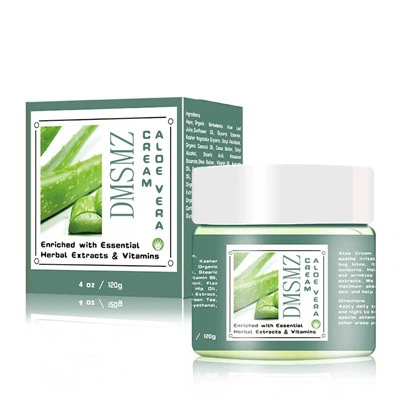
First off, let’s get one super important fact straight: exfoliation isn’t a “one size fits all” thing. What works for your roommate who swears by that gritty scrub will probably mess up your sensitive cheeks or dry out your oily T-zone so bad you’ll be slathering moisturizer at 2 PM. So let’s start by breaking this down by skin type, but also, what kind of exfoliator you’re reaching for. Most people don’t even realize there are two main types: physical (scrubs with little particles) and chemical (acids or enzymes that dissolve dead skin). Each works totally differently, and picking the wrong one here is half the battle.
Let’s talk physical exfoliators first, ‘cause these are the ones most people reach for first. The key here is: are the particles safe for your face? I’ve seen so many drugstore scrubs with plastic microbeads—those are a hard pass, by the way. Not only are they terrible for the planet, but they’re also super sharp and can micro-tear your skin, leading to irritation over time. If you’re going physical, look for natural, round particles, not jagged ones. Think things like ground oat flour, rice powder, or jojoba beads (which are way softer than plastic). Avoid anything with walnut shells or apricot kernels—those are way too rough, even for normal skin.
Now, when should you go physical? Probably if you have normal skin (not too oily, not too dry, no major sensitivity) or combo skin with a little blackhead buildup around the T-zone. But even then, don’t overdo it—2-3 times a week max. If you have sensitive skin, rosacea, or acne-prone skin that’s inflamed? Physical scrubs are usually a no-go. They can irritate already compromised skin and make redness or breakouts way worse. I’ve had so many customers come back saying they tried a scrub and their cystic acne flared up—turns out the jagged particles were scraping their skin and causing inflammation.
Okay, now chemical exfoliators. These are the ones that get a bad rap sometimes, but when used right, they’re game-changing. Instead of scrubbing dead skin off, they dissolve the bonds that hold dead skin cells together, so they slough off on their own. The main ones you’ll hear about are AHAs (alpha hydroxy acids) like glycolic and lactic acid, and BHAs (beta hydroxy acids) like salicylic acid. Enzymes (from things like pineapple or papaya) are also a type of gentle chemical exfoliant, perfect for sensitive skin.
Let’s break those down by skin type, ‘cause this is where it gets useful. If you have oily, acne-prone skin or blackheads galore? BHAs are your ride-or-die. They’re oil-soluble, so they can penetrate deep into your pores and dissolve the gunk that causes breakouts. I can’t tell you how many times a customer with clogged pores switched to a BHA exfoliant and their blackheads started fading within a week—no more scrubbing like crazy. Just make sure you start slow, like once a week at first, ‘cause salicylic acid can be drying if you use too much too fast.
For dry or dull skin? AHAs are where it’s at. Glycolic acid is a smaller molecule, so it works on the surface to slough off dead skin and boost collagen, leaving your skin glowing. Lactic acid is a bit gentler, perfect for dry skin that might get irritated by glycolic— it also draws in moisture, so you’re not left feeling tight after. If you have sensitive skin, enzymes (papain or bromelain) are your best bet. They’re super mild, work gently, and rarely cause irritation. A lot of people with rosacea or eczema use enzyme exfoliants without any issues, as long as they don’t use them too often.
Wait, hold on—there’s another thing no one talks about: how often you should exfoliate. A lot of people think more is better, but that’s so not true. Over-exfoliation is a real problem, and it can cause redness, dryness, irritation, even breakouts. Your skin needs time to repair itself, so 1-3 times a week max, depending on your skin type. Normal skin can handle 2-3 times, sensitive skin should stick to 1, maybe 2 if they’re used to it, oily skin can go up to 2-3 but no more. I always tell my customers to listen to their skin—if it feels tight, red, or looks flaky after exfoliating, you’re using it too much.
Now, let’s talk about ingredients to avoid, ‘cause this is where a lot of brands cut corners. First, like I mentioned before, plastic microbeads—they’re banned in a lot of places now, but you’ll still find them in some cheap products. Then, fragrances or essential oils added to exfoliators—these are super common irritants, especially for sensitive skin. Even if it says “natural fragrance,” it’s still a mix of chemicals that can mess with your skin barrier. Also, avoid exfoliators with high concentrations of acids if you’re new to chemical exfoliants. Like, 2% salicylic acid is perfect for beginners, not 10% or more—you’ll just end up with a chemical burn.
Another big one: your skin barrier health. If your skin is already compromised—like if you have a sunburn, eczema flare-up, or just skipped moisturizer for a few days—you shouldn’t exfoliate at all. Exfoliating a damaged skin barrier will just make everything worse, leading to more irritation and dryness. I always tell my team to remind customers to make sure their skin is calm and hydrated before exfoliating. If you’re unsure, test a tiny spot on your jawline first—wait 24 hours, if there’s no redness or irritation, you’re good to go.
Wait, let’s get specific for common skin concerns, ‘cause that’s what people actually care about. Let’s say you have acne-prone skin: go for a BHA (salicylic acid) exfoliant, chemical is better than physical ‘cause physical can irritate inflamed breakouts. Look for something with 2% salicylic acid, no added fragrances. If you have dull, uneven skin tone: AHAs are your friend—glycolic acid will help fade dark spots and brighten things up. For sensitive skin: enzyme exfoliant, like one with papaya or pineapple, maybe a low-concentration lactic acid exfoliant. For combo skin: use a BHA on your T-zone and a gentle AHA on your cheeks, or just a mild physical exfoliant once a week. For dry skin: lactic acid or an enzyme exfoliant, both of which are hydrating, not drying.
I also want to talk about product texture, ‘cause that’s a subtle thing that matters. Physical exfoliants shouldn’t feel like sandpaper—they should feel gentle, like rubbing fine powder on your skin. If it stings when you’re using it, that’s a bad sign. Chemical exfoliants should feel lightweight, not heavy or greasy. A lot of my customers say they avoid chemical exfoliants ‘cause they feel like they’re wearing a mask, but the good ones absorb into the skin quickly and don’t leave residue.
Oh, and don’t forget about post-exfoliation care! This is step three that a lot of people skip, and it’s crucial. After you exfoliate, your skin is more receptive to products, so you should moisturize right away to lock in hydration, and absolutely wear sunscreen during the day. Exfoliated skin is way more sensitive to the sun, so if you skip sunscreen, you’ll end up with dark spots or burns. I can’t stress this enough—even if you exfoliate at night, slather on SPF in the morning, no exceptions.
Now, let’s be real—there are a ton of products out there, so how do you not get scammed? A lot of brands will claim their exfoliator is “for all skin types” but that’s a red flag. No product is for every skin type, so if a brand says that, run. Look for products tailored to your specific needs, and read the ingredient list (skip brands that hide their ingredients behind “proprietary blends”). If you’re buying from a small supplier like me, don’t be afraid to ask questions—we get that everyone’s skin is different, and we’re happy to help you pick something that works for you.
Wait, let’s address a common myth: “exfoliating removes wrinkles.” No, that’s not true. Exfoliating can improve the appearance of fine lines by sloughing off dead skin, making lines look less deep, but it won’t actually prevent or reduce wrinkles. That’s just marketing hype. Another myth: “if you have acne, exfoliate more to get rid of it faster.” No—over-exfoliating will make acne worse, as I mentioned before. Stick to the recommended frequency, and pair your exfoliant with a good gentle cleanser and non-comedogenic moisturizer.
Let me give you a quick, actionable checklist to wrap this up, ‘cause I know a lot of you are here for the quick wins. 1. Figure out your skin type (normal, dry, oily, combo, sensitive, acne-prone). 2. Choose the right exfoliator type: physical for normal/combo with gentle particles, chemical (BHA for oily/acne, AHA for dull/dry, enzymes for sensitive). 3. Avoid harsh particles, fragrances, and too-high acid concentrations. 4. Use 1-3 times a week, listen to your skin. 5. Moisturize and wear sunscreen after every exfoliation.
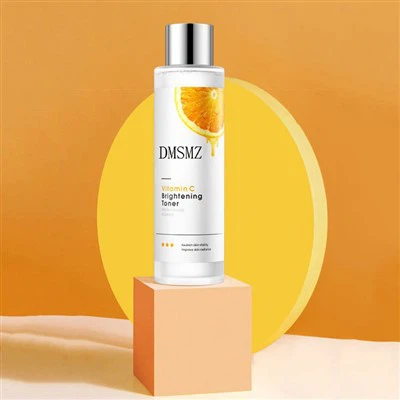
If you’re still not sure which exfoliator is right for you, or if you’re ready to try high-quality, gentle options that work for all skin types, we’re here to help. We’ve spent years testing our products with real skin types, not just lab formulas, and we’re happy to chat through what you need. Whether you’re a retailer looking to stock great facial exfoliators or you’re a customer wanting to pick the perfect one for your routine, reach out to us to connect and talk through your needs. Don’t guess—get the right exfoliator for your skin, and see the difference it makes.
Facial Skincare References:
- American Academy of Dermatology. (2023). Exfoliation: What It Is, Benefits, and How to Do It Safely.
- Baumann, L. (2017). Skin Type Solutions: A Comprehensive Guide to Dermatology for Every Skin Type.
- Rodan, K., & Fields, K. (2004). The Exfoliation Revolution: A Clinical Approach to Bright, Youthful Skin.
- National Resources Defense Council. (2022). Plastic Microbeads in Personal Care Products: Impacts and Regulations.
- Murad, A. (2007). The Youth Formula: The Definitive Guide to Beautiful, Healthy Skin at Any Age.
Guangdong Daimeishi Biotechnology Co., Ltd.
Address: Room 304, Building 3, Quantum Creation Space, No. 4, Industrial 2nd Road, Jiahewanggang, Baiyun District, Guangzhou
E-mail: 371190615@qq.com
WebSite: https://www.zgdms.com/
