Installing a gear motor may seem like a daunting task, especially if you’re not well – versed in electrical or mechanical systems. However, with the right guidance and a bit of patience, you can successfully install a gear motor for your specific application. As a gear motor supplier, I’ve had the opportunity to witness firsthand how numerous projects have been enhanced by the proper installation of these motors. In this blog post, I’ll share step – by – step instructions on how to install a gear motor to help you get your project up and running smoothly. Gear Motor
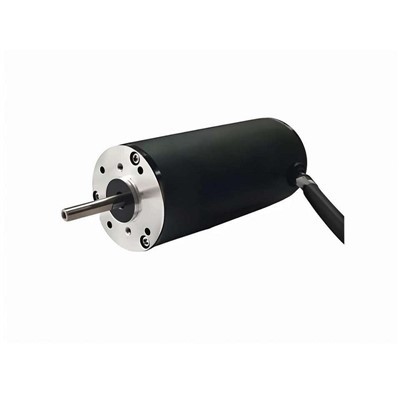
Understanding Your Gear Motor
Before you start the installation process, it’s crucial to understand the specific gear motor you’ve purchased. Different gear motors come with various specifications such as voltage, torque, speed, and gear ratio. Read the product manual carefully provided with the gear motor. The manual will contain detailed information about the motor’s features, electrical requirements, and the recommended installation method.
For instance, some gear motors may be designed for high – torque applications, while others are more suitable for continuous – speed operations. You need to ensure that the motor is compatible with your intended application in terms of power requirements and mechanical coupling. If you have any questions or doubts about the motor’s specifications, don’t hesitate to contact our technical support team. We are always here to assist you in making sure you have the right motor for your project.
Pre – installation Preparations
Once you’ve familiarized yourself with the gear motor, it’s time to make the necessary preparations. First, gather all the tools you’ll need for the installation. These typically include screwdrivers (both Phillips and flat – head), wrenches, pliers, and a multimeter to check electrical connections. Having all the tools at hand will save you time and prevent unnecessary interruptions during the installation process.
Next, prepare the installation site. The area where you’ll be installing the gear motor should be clean, dry, and well – ventilated. Remove any debris, dust, or moisture that could potentially damage the motor or affect its performance. Make sure there is enough space around the installation site to allow for easy access during the installation and future maintenance.
It’s also important to check the mounting surface. The surface should be flat, sturdy, and able to support the weight of the gear motor. If the mounting surface is not level, it can cause vibration and uneven wear on the motor, which can significantly reduce its lifespan. Use a spirit level to check the flatness of the surface and make any necessary adjustments.
Mounting the Gear Motor
The first major step in the installation process is mounting the gear motor. First, identify the mounting holes on the motor. Most gear motors come with pre – drilled mounting holes, which are designed to fit standard mounting brackets or surfaces. Align the motor with the mounting surface or bracket, and insert the appropriate bolts or screws through the mounting holes.
Tighten the bolts or screws gradually and evenly. Over – tightening can cause damage to the motor housing or the mounting surface, while under – tightening can result in the motor coming loose during operation. Use a torque wrench to ensure that the bolts are tightened to the recommended torque value specified in the motor’s manual.
In some cases, you may need to use additional mounting accessories such as vibration dampeners or shims. Vibration dampeners can help reduce the noise and vibration generated by the motor during operation, while shims can be used to adjust the alignment of the motor.
Electrical Connections
After mounting the gear motor, the next step is to make the electrical connections. Start by turning off the power supply to avoid any electrical hazards. Identify the motor’s electrical terminals. Most gear motors have terminals labeled for easy identification of the power leads.
Connect the power wires to the appropriate terminals according to the electrical diagram provided in the motor’s manual. Use wire strippers to remove the insulation from the ends of the wires, and then secure the wires to the terminals using terminal screws or connectors. Make sure the connections are tight and free from any loose strands of wire.
Once the connections are made, cover the terminals with electrical tape or a terminal cover to prevent accidental contact and short – circuits. After completing the electrical connections, double – check all the connections to ensure that they are correct and secure.
If you’re not confident in making the electrical connections yourself, it’s recommended to hire a qualified electrician. Electrical work can be dangerous if not done correctly, and it’s essential to ensure the safety of both the motor and the operators.
Mechanical Coupling
Mechanical coupling is a critical step in the installation of a gear motor. It involves connecting the motor’s output shaft to the driven load, such as a conveyor belt, a pump, or a gearbox. The coupling needs to be selected based on the specific requirements of your application, including the torque, speed, and misalignment tolerance.
There are several types of couplings available, such as flexible couplings, rigid couplings, and gear couplings. Flexible couplings are commonly used because they can compensate for small amounts of misalignment between the motor shaft and the driven shaft. When installing the coupling, make sure to follow the manufacturer’s instructions carefully.
First, clean the motor shaft and the driven shaft to remove any dirt or debris. Then, apply a small amount of lubricant to the shaft surface to prevent corrosion and make the installation of the coupling easier. Insert the coupling onto the motor shaft and align it with the driven shaft. Use the appropriate tools to tighten the coupling bolts or set screws, ensuring that the coupling is securely attached to both shafts.
Testing and Commissioning
After completing the installation, it’s time to test the gear motor. Before turning on the power, perform a final visual inspection to ensure that all the connections are secure and there are no loose parts. Then, turn on the power supply and start the motor at a low speed.
Observe the motor’s operation carefully. Check for any abnormal noises, vibrations, or overheating. If you notice any issues, immediately turn off the power and investigate the problem. In some cases, the problem may be due to a loose connection, misalignment, or a faulty component.
Once you’ve confirmed that the motor is running smoothly at low speed, gradually increase the speed to the rated speed. Monitor the motor’s performance and check if it meets the specifications and requirements of your application. If everything is working properly, the gear motor is now successfully installed and commissioned.
Tips for Maintenance
To ensure the long – term performance and reliability of your gear motor, regular maintenance is essential. Keep the motor clean and free from dust and debris. Inspect the motor’s electrical connections regularly to make sure they are tight and free from corrosion. Check the lubrication levels of the motor and the coupling, and replenish the lubricant as needed.

In addition, monitor the motor’s temperature and vibration levels during operation. Abnormal temperature or vibration can indicate a potential problem with the motor. If you notice any significant changes in the motor’s performance, consult the motor’s manual or contact our technical support team for assistance.
Conclusion
Permanent Magnet DC Moto Installing a gear motor requires careful planning, the right tools, and a systematic approach. By following the steps outlined in this blog post, you can install a gear motor safely and effectively. As a gear motor supplier, we are committed to providing high – quality products and comprehensive support to our customers. If you’re in need of a gear motor for your next project or have any questions about the installation process, don’t hesitate to contact us. We look forward to discussing your specific requirements and helping you find the perfect gear motor solution.
References
- Motor Installation Guides from Industry Standards
- Gear Motor Product Manuals
Zibo Auric Mechanical and Electrical Technology Co., Ltd.
As one of the leading gear motor manufacturers and suppliers in China, we warmly welcome you to buy advanced gear motor for sale here from our factory. All customized motors are with high quality and competitive price.
Address: B419, High-tech Entrepreneurship Park, High-tech Zone, Zibo City
E-mail: cui@auricmotor.com
WebSite: https://www.auricmotor.com/
