As a supplier of LiFePO4 batteries, I’ve witnessed firsthand the growing interest in battery technology, especially when it comes to the comparison between LiFePO4 (Lithium Iron Phosphate) and LiCoO2 (Lithium Cobalt Oxide) batteries. These two types of lithium – ion batteries have distinct characteristics that make them suitable for different applications. In this blog, I’ll delve into the key differences between them to help you make an informed decision when considering a battery purchase. LiFePO4 Battery
Chemical Composition
The most fundamental difference between LiFePO4 and LiCoO2 batteries lies in their chemical compositions. LiFePO4 batteries use lithium iron phosphate as the cathode material. The chemical stability of iron phosphate gives these batteries inherent safety advantages. On the other hand, LiCoO2 batteries employ lithium cobalt oxide as the cathode. Cobalt is a valuable but relatively scarce resource, and its chemical properties provide high energy density but also bring some safety and environmental concerns.
Energy Density
Energy density is a critical factor in determining how much energy a battery can store relative to its size or weight. LiCoO2 batteries are well – known for their high energy density. They can pack a large amount of energy into a relatively small and lightweight package. This makes them ideal for portable electronic devices such as smartphones, laptops, and tablets, where space and weight are at a premium.
In contrast, LiFePO4 batteries have a lower energy density compared to LiCoO2 batteries. However, this doesn’t necessarily mean they are inferior. The lower energy density is often compensated by other advantages, and LiFePO4 batteries are still widely used in many applications where energy density is not the sole or most important consideration.
Safety
Safety is a top priority when it comes to battery usage. LiFePO4 batteries are renowned for their excellent safety performance. The chemical structure of lithium iron phosphate is very stable. It has a high thermal runaway temperature, which means it is less likely to catch fire or explode even under extreme conditions such as overcharging, short – circuiting, or high – temperature exposure. This makes LiFePO4 batteries a popular choice for applications where safety is of utmost importance, such as electric vehicles, energy storage systems, and backup power supplies.
LiCoO2 batteries, while generally safe when used properly, have a higher risk of thermal runaway. The cobalt – based cathode material is more reactive and can release oxygen at high temperatures, which can potentially lead to combustion or explosion if the battery is damaged or misused. This safety concern has limited the use of LiCoO2 batteries in some high – risk applications.
Cycle Life
Cycle life refers to the number of charge – discharge cycles a battery can undergo before its capacity drops to a certain level (usually 80% of its original capacity). LiFePO4 batteries have a significantly longer cycle life compared to LiCoO2 batteries. LiFePO4 batteries can typically withstand 2000 – 5000 charge – discharge cycles, depending on the specific usage conditions and battery design. This long cycle life makes them a cost – effective choice in the long run, especially for applications that require frequent charging and discharging, such as electric vehicles and grid – scale energy storage.
In contrast, LiCoO2 batteries usually have a cycle life of around 500 – 1000 cycles. The relatively short cycle life means that they need to be replaced more frequently, which can increase the overall cost of ownership over time.
Cost
The cost of batteries is a major consideration for many consumers and businesses. LiCoO2 batteries have been in the market for a long time, and the production technology is well – established. However, the high cost of cobalt, which is a key component in LiCoO2 batteries, has made them relatively expensive. The price volatility of cobalt in the global market also adds to the uncertainty of the cost of LiCoO2 batteries.
LiFePO4 batteries, on the other hand, use more abundant and less expensive materials such as iron and phosphate. This makes them generally more cost – effective, especially when considering their long cycle life. Although the initial purchase price of LiFePO4 batteries may not be significantly lower than that of LiCoO2 batteries in some cases, the long – term cost savings due to their extended cycle life can be substantial.
Environmental Impact
In today’s world, environmental concerns are becoming increasingly important. LiFePO4 batteries are more environmentally friendly compared to LiCoO2 batteries. The materials used in LiFePO4 batteries, such as iron and phosphate, are more abundant and less toxic than cobalt. Additionally, the long cycle life of LiFePO4 batteries means that they need to be replaced less frequently, reducing the amount of battery waste generated.
LiCoO2 batteries, due to the use of cobalt, have a higher environmental impact. Cobalt mining has been associated with environmental degradation and human rights issues in some regions. Moreover, the shorter cycle life of LiCoO2 batteries results in more frequent replacements and a larger amount of battery waste.
Applications
The differences between LiFePO4 and LiCoO2 batteries have led to their different application scenarios. LiCoO2 batteries are mainly used in portable electronic devices because of their high energy density. Their ability to provide a large amount of energy in a small space is crucial for the miniaturization and high – performance requirements of smartphones, laptops, and other consumer electronics.
LiFePO4 batteries, with their excellent safety, long cycle life, and cost – effectiveness, are widely used in electric vehicles, energy storage systems, and backup power supplies. In electric vehicles, the safety of LiFePO4 batteries is essential to ensure the well – being of passengers. In energy storage systems, the long cycle life and high – temperature performance of LiFePO4 batteries make them a reliable choice for storing renewable energy.
Conclusion

In conclusion, LiFePO4 and LiCoO2 batteries have their own unique strengths and weaknesses. LiCoO2 batteries excel in terms of energy density, making them ideal for portable electronic devices. However, they face challenges in terms of safety, cycle life, cost, and environmental impact. LiFePO4 batteries, on the other hand, offer superior safety, long cycle life, cost – effectiveness, and environmental friendliness, which make them a great choice for applications such as electric vehicles and energy storage systems.
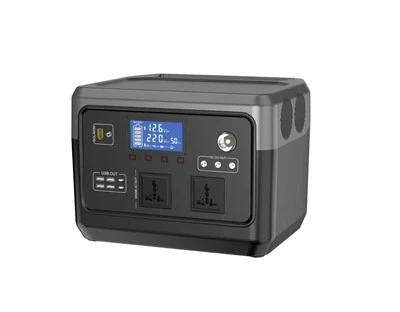
Small Portable Power Stations 100W–600W If you’re in the market for high – quality LiFePO4 batteries, I’m here to help. Our company offers a wide range of LiFePO4 battery products that are designed to meet your specific needs. Whether you’re an electric vehicle manufacturer, an energy storage system integrator, or simply looking for a reliable backup power solution, our LiFePO4 batteries can provide you with the performance, safety, and longevity you require. Contact us for more information and to start a procurement discussion.
References
- Arora, P., Zhang, Z., & White, R. E. (1999). Capacity Fade Mechanisms and Side Reactions in Lithium – ion Batteries. Journal of the Electrochemical Society, 146(10), 3543 – 3551.
- Padhi, A. K., Nanjundaswamy, K. S., & Goodenough, J. B. (1997). Phospho – olivines as Positive – Electrode Materials for Rechargeable Lithium Batteries. Journal of the Electrochemical Society, 144(4), 1188 – 1194.
- Yamada, A., Chung, S. C., & Hinokuma, K. (2001). Olivine – type Lithium Insertion Material of LiMxFe1 – xPO4 (M = Mn, Ni, Co). Journal of the Electrochemical Society, 148(7), A742 – A746.
Guangdong Joinwin Global Digital Intelligence Technology Co., Ltd.
As one of the most professional LiFePO4 battery manufacturers in China, we have world-leading production equipment and strong manufacturing capabilities. Please rest assured to buy high quality LiFePO4 battery from our factory. Customized orders are welcome.
Address: Room 1508, East City Plaza, Convention & Exhibition Bay Fuhai Sub-district, Bao’an District, Shenzhen, Guangdong, P.R. China
E-mail: bruceyang@joinwinenergy.com
WebSite: https://www.joinwinpower.com/
