Hey there! I’m a supplier of Flexible Intermediate Bulk Containers (FIBC), and I often get asked about the recycling process of these handy containers. So, I thought I’d take a few minutes to break it down for you. FIBC
What are FIBCs?
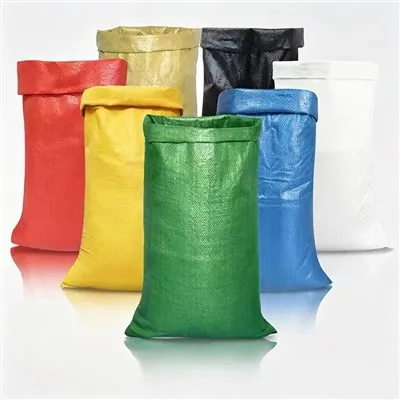
First off, let’s quickly talk about what FIBCs are. They’re those big, flexible bags you often see in industrial and agricultural settings. They’re used to transport and store all sorts of stuff, like grains, chemicals, and construction materials. They’re made from woven polypropylene, which is a type of plastic. It’s strong, durable, and can handle a lot of weight.
Why Recycle FIBCs?
Recycling FIBCs is super important. For one, it helps reduce waste. Instead of ending up in landfills, these bags can be given a new life. It also saves on resources. Making new FIBCs from scratch uses a lot of energy and raw materials. Recycling cuts down on that, which is better for the environment. And let’s not forget about cost – recycling can be more cost – effective than making new bags all the time.
The Recycling Process
Collection
The first step in recycling FIBCs is collection. We, as FIBC suppliers, play a big role here. Sometimes, we take back used FIBCs from our customers. This is a win – win situation. Our customers get rid of their old bags, and we can start the recycling process. Other times, there are dedicated recycling companies that collect FIBCs from various sources. They go around to factories, warehouses, and other places where FIBCs are used and pick them up.
Sorting
Once the FIBCs are collected, they need to be sorted. This is a crucial step because different types of FIBCs need to be recycled in different ways. The sorting process looks at a few things. First, the color of the bag matters. Different colored polypropylene might have different additives, so they need to be separated. Also, we check for any damage or contamination. Bags that are too damaged or have been in contact with certain chemicals might not be suitable for recycling. We separate out the bags that can be recycled and those that can’t.
Cleaning
After sorting, the FIBCs go through a cleaning process. This is to remove any dirt, dust, or other debris that might be on the bags. The cleaning can involve a few different methods. Sometimes, the bags are washed in large industrial washing machines. These machines use water and special detergents to get the bags clean. Other times, a dry cleaning method is used. This is especially useful for bags that have been in contact with certain chemicals that can’t be removed by water. The goal is to get the bags as clean as possible so that the recycling process can be more effective.
Shredding
Once the bags are clean, they’re ready for shredding. The FIBCs are fed into large shredding machines that cut them into small pieces. These pieces are usually a few millimeters in size. Shredding makes the material easier to handle in the next steps of the recycling process. It also increases the surface area of the plastic, which helps in the melting process.
Melting
The shredded pieces of the FIBCs are then melted. This is done in a large melting furnace. The temperature in the furnace is carefully controlled to make sure the polypropylene melts evenly. Once the plastic is in a molten state, it can be shaped into new products. During the melting process, some additives might be added to improve the properties of the recycled plastic, like its strength or flexibility.
Reprocessing
After melting, the molten plastic goes through a reprocessing stage. This can involve different techniques depending on what the final product will be. For example, if we’re making new FIBCs, the molten plastic might be extruded into thin strands. These strands are then woven together to form the fabric for the new bags. If we’re making other plastic products, like plastic pallets or containers, the molten plastic can be injected into molds to give it the desired shape.
Challenges in Recycling FIBCs
Recycling FIBCs isn’t all smooth sailing. There are a few challenges we face. One big challenge is contamination. If a FIBC has been used to store certain chemicals or substances, it can be really hard to clean it properly. This can make the recycling process more difficult and sometimes even impossible. Another challenge is the cost. The recycling process requires a lot of equipment and energy. It can be expensive to set up and run a recycling facility. And sometimes, the market for recycled FIBC products isn’t as strong as we’d like it to be. This makes it a bit of a struggle to make recycling a profitable business.
Our Role as Suppliers
As a FIBC supplier, we’re committed to making recycling as easy and effective as possible. We work closely with our customers to encourage them to return their used FIBCs. We also invest in research and development to find better ways to recycle our products. For example, we’re always looking for new cleaning methods that are more efficient and environmentally friendly. We’re also trying to develop new products that can be recycled more easily.
End – of – Life Solutions
For FIBCs that can’t be recycled, we’re exploring other end – of – life solutions. One option is incineration. When done in a proper, controlled environment, incineration can generate energy from the plastic. However, this needs to be carefully regulated to make sure it doesn’t cause environmental problems. Another option is to use the non – recyclable FIBCs as a raw material in other industries. For example, they can be used in some types of construction materials.
Why You Should Choose Our Recycled FIBCs
If you’re in the market for FIBCs, you should consider our recycled products. They’re just as good as new FIBCs in terms of quality and performance. By choosing recycled FIBCs, you’re doing your part for the environment. You’re reducing waste and conserving resources. And you can also save some money. Our recycled FIBCs are often more cost – effective than brand – new ones.
Let’s Talk!
Poly Bag Agriculture If you’re interested in learning more about our FIBCs, whether they’re new or recycled, or if you have some used FIBCs that you want to recycle, I’d love to hear from you. We can have a chat about your specific needs and how we can help you. Whether you’re a small business or a large industrial company, we’ve got the right solution for you. So, don’t hesitate to reach out and start a conversation. We’re here to make your FIBC experience as smooth and sustainable as possible.
References
- "Plastic Recycling Handbook", Edited by John Doe
- "Sustainable Practices in the FIBC Industry", Research Paper by Jane Smith
- Industry reports from the Flexible Intermediate Bulk Container Association
Liaoning Xunlian Packaging Products Co., Ltd.
Liaoning Xunlian Packaging Products Co., Ltd. is one of the most professional fibc manufacturers and suppliers in China, featured by quality products and good service. Welcome to wholesale CE approved fibc made in China here and get quotation from our factory. Customized orders are welcome.
Address: Chaoyang Industrial Park, Kangping, Shenyang, Liaoning, China.
E-mail: info@xunlianpack.com
WebSite: https://www.xunlianpack.com/
