Hey there! As a supplier of vertical cartoning machines, I’m super stoked to walk you through the commissioning process of these nifty machines. It’s a crucial phase that can really make or break the smooth operation of your equipment, so let’s dive right in. Vertical Cartoning Machine

Pre – Commissioning Checks
Alright, before we start getting the vertical cartoning machine up and running, there are a bunch of pre – commissioning checks that we gotta do. First things first, we need to make sure the machine is installed in a proper location. It should be on a flat and stable surface. If the floor is wobbly or uneven, it can cause all sorts of problems down the line, like inaccurate carton positioning or even mechanical stress on the machine parts.
Next, we check all the electrical connections. We’re looking for loose wires or any signs of damage. You don’t want a short – circuit when you start the machine, trust me. We also verify that the power supply matches the machine’s requirements. For example, if the machine is designed for a 220V power source, plugging it into a different voltage can fry the electrical components.
On the pneumatic side (if your machine has pneumatic systems, which most do), we check for leaky hoses. A small air leak might not seem like a big deal, but it can affect the performance of the pneumatic cylinders that are responsible for tasks like pushing cartons into place. We use soapy water to check for leaks. If you see bubbles forming anywhere on the hoses or connections, that’s a leak right there.
We also inspect all the mechanical parts. This includes checking the belts for proper tension. If a belt is too loose, it can slip, and if it’s too tight, it can wear out quickly or put excess strain on the motor. The gears and chains need to be lubricated as well. Proper lubrication reduces friction and wear, which extends the lifespan of these parts.
Initial Setup
Once all the pre – commissioning checks are done, it’s time for the initial setup. We start by setting the machine to its default settings. This is like a fresh start for the machine. It ensures that all the parameters are in a known state before we start making custom adjustments.
One of the key things we do during the initial setup is calibrating the sensors. The vertical cartoning machine has sensors all over the place to detect things like the presence of cartons, the position of products, and the status of the machine’s moving parts. If these sensors aren’t calibrated correctly, the machine might not function as expected. For example, if the sensor that detects the presence of a carton is off, the machine might try to insert a product into an empty space or miss a carton that’s actually there.
We also set up the carton magazine. The carton magazine is where all the flat cartons are stored before they are erected. We adjust it to hold the right size and quantity of cartons. It’s important to make sure the cartons are loaded properly so that they can be picked up smoothly by the machine.
Test Runs with No Product
After the initial setup, we do some test runs without any product. This is a great way to make sure the machine is working on a basic level. We start the machine and let it go through a few cycles of carton erection. We’re looking to see if the cartons are being opened up properly. If there are any issues, like the cartons not opening fully or getting jammed, we can troubleshoot them right then.
We also check the carton transfer system during these test runs. The machine needs to move the erected cartons from one station to another smoothly. If there are any jerks or if the cartons are getting stuck, we can adjust the conveyor speed or the alignment of the transfer mechanisms.
Another important aspect of these test runs is to check the sealing mechanisms. In a vertical cartoning machine, there are usually fold – in – flap or glue – sealing options. We make sure that the flaps are being folded correctly and that the glue is being applied in the right amount and location, if glue sealing is used.
Introducing the Product
Once the machine passes the no – product test runs, we’re ready to introduce the product. This is where things can get a bit tricky because we need to make sure that the product fits properly into the cartons and that the entire process of product insertion is smooth.
We start by adjusting the product feeder. The feeder needs to deliver the products at the right speed and in the right orientation. If the product is coming too fast, it can cause jams, and if it’s coming too slow, it can slow down the overall production rate.
We also need to make sure that the product fits securely into the carton. If the product is too big, it won’t go in, and if it’s too small, it might move around inside the carton during transportation. We might need to adjust the carton size or the way the product is oriented for insertion.
Fine – Tuning
Even after getting the machine to run with the product, there’s often a lot of fine – tuning to be done. We monitor the production rate and make sure it meets the desired output. If the machine is running too slow, we can look at the cycle times of different operations and see if we can speed them up. This might involve adjusting the speed of the conveyor belts or the movement of the mechanical arms.
We also look at the quality of the packaged products. The cartons should be sealed properly, and the products should be centered inside the cartons. If there are any issues with the quality, we can adjust the alignment of the product inserter or the sealing mechanisms.
Another thing we need to do is check the error rate. If the machine is constantly making errors, like mis – inserting products or having carton jams, we need to dig deeper and find out what’s causing these problems. It could be a sensor issue, a mechanical problem, or an adjustment that needs to be made to the program.
Operator Training
Once the machine is up and running smoothly, it’s really important to train the operators. The operators need to know how to operate the machine safely and efficiently. We teach them how to load the cartons and products, how to start and stop the machine, and what to do in case of an emergency.
We also show them how to do basic maintenance tasks, like checking the belts and lubricating the parts. This helps to keep the machine in good condition and reduces the likelihood of breakdowns.
Post – Commissioning Support
After the commissioning process is complete, our job doesn’t end there. We provide post – commissioning support to our customers. This includes regular check – ins to see how the machine is performing. If there are any issues, we can offer remote troubleshooting or send a technician to the site if necessary.
We also keep our customers informed about software updates or any improvements to the machine. These updates can often enhance the performance and efficiency of the vertical cartoning machine.
Wrapping It Up
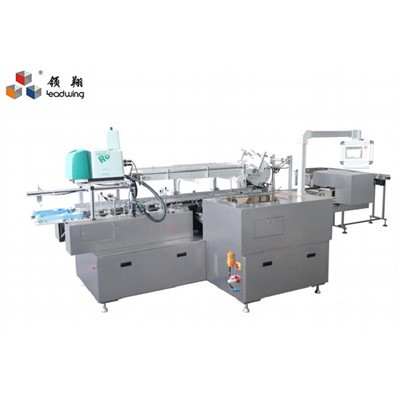
So, that’s the commissioning process of a vertical cartoning machine in a nutshell. It’s a comprehensive process that involves a lot of checks, adjustments, and training. But when it’s done right, it can result in a machine that runs smoothly and efficiently, helping you to boost your production and meet your business goals.
Bagging Machine If you’re in the market for a vertical cartoning machine or want to learn more about our commissioning process, don’t hesitate to reach out. We’re here to answer all your questions and help you find the perfect solution for your packaging needs.
References
- Packaging Machinery Manufacturers Institute (PMMI) – General knowledge on packaging machinery commissioning
- Industry trade magazines for best practices in vertical cartoning machine operation and maintenance
Wenzhou Leadwing Machingry Co., Ltd.
With abundant experience, we are one of the most reliable vertical cartoning machine manufacturers and suppliers in China. We warmly welcome you to buy advanced vertical cartoning machine made in China here from our factory. All customized machines are with high quality and low price.
Address: Room 101, Unit 2, Building 10B, Zilai Entrepreneurial Park, Wanquan Town, Pingyang County, Wenzhou City, Zhejiang Province
E-mail: wzleadwing@163.com
WebSite: https://www.leadwingmach.com/
