Can an Electromagnetic Flow Meter Be Used in Power Plants?
As a supplier of electromagnetic flow meters, I’ve had numerous discussions with professionals in the power plant industry about the applicability of our products. The power generation landscape is complex, with a variety of processes that require precise measurement and control. In this blog, I’ll explore whether electromagnetic flow meters can be effectively used in power plants, examining their advantages, potential limitations, and real – world applications. Electromagnetic Flow Meter

Understanding Electromagnetic Flow Meters
Before delving into their use in power plants, let’s briefly understand how electromagnetic flow meters work. These meters operate based on Faraday’s law of electromagnetic induction. When a conductive fluid flows through a magnetic field generated by the flow meter, a voltage is induced. This induced voltage is directly proportional to the velocity of the fluid, allowing for accurate measurement of the volumetric flow rate.
One of the key features of electromagnetic flow meters is their non – intrusive nature. Unlike some other flow measurement devices, they do not have moving parts that can be damaged by the flowing fluid or cause additional pressure drops. This makes them suitable for a wide range of conductive fluids, including water, slurries, and some chemical solutions.
Advantages of Using Electromagnetic Flow Meters in Power Plants
Precise Measurement
Power plants rely heavily on accurate flow measurement for various processes, such as boiler feedwater, condensate, and cooling water systems. Electromagnetic flow meters offer high – precision measurements, typically with an accuracy of ± 0.5% to ± 1% of the measured value. This precision is crucial for maintaining optimal operating conditions, ensuring efficient energy conversion, and preventing equipment damage. For example, in a boiler feedwater system, accurate flow measurement helps in controlling the amount of water entering the boiler, which is essential for maintaining the desired steam output and preventing overheating.
Wide Range of Applications
Electromagnetic flow meters can be used in multiple areas within a power plant. In addition to the boiler feedwater and cooling water systems mentioned earlier, they can also be employed in wastewater treatment plants within the power generation facility. Power plants generate a significant amount of wastewater, and proper treatment is necessary to meet environmental regulations. Electromagnetic flow meters can accurately measure the flow of wastewater, allowing for effective dosing of chemicals and proper operation of treatment processes.
Low Maintenance Requirements
As mentioned earlier, electromagnetic flow meters have no moving parts. This results in lower maintenance requirements compared to other types of flow meters. Reduced maintenance means less downtime for the power plant, which is crucial for continuous power generation. Additionally, fewer moving parts also mean a longer service life for the flow meters, providing a cost – effective solution over the long term.
Ability to Handle Different Fluids
Power plants deal with a variety of fluids, including water with different levels of impurities and some chemical solutions. Electromagnetic flow meters can handle conductive fluids with varying viscosities and densities. For example, in a wet flue gas desulfurization (WFGD) system, which is used to remove sulfur dioxide from the flue gas, the flow of the limestone slurry (a conductive fluid) can be accurately measured using an electromagnetic flow meter.
Potential Limitations
Fluid Conductivity Requirements
One of the main limitations of electromagnetic flow meters is their requirement for the fluid to be conductive. In power plants, there may be some non – conductive fluids, such as certain types of oils or gasses. For these fluids, electromagnetic flow meters cannot be used, and alternative flow measurement devices, such as ultrasonic or turbine flow meters, must be considered.
Installation Considerations
Proper installation of electromagnetic flow meters is crucial for accurate measurement. They require a certain length of straight pipe upstream and downstream of the meter to ensure a fully developed flow profile. In a power plant, where space may be limited, it can be challenging to find suitable locations for installation that meet these requirements. Additionally, the flow meter must be properly grounded to prevent electrical interference, which can affect the measurement accuracy.
Cost
Compared to some basic flow measurement devices, electromagnetic flow meters can be more expensive. The initial investment for purchasing and installing these meters may be a concern for some power plant operators, especially those on a tight budget. However, it’s important to consider the long – term benefits, such as lower maintenance costs and higher measurement accuracy, when evaluating the cost – effectiveness of these devices.
Real – World Applications in Power Plants
Boiler Feedwater Systems
In a power plant, the boiler is a critical component for generating steam. The boiler feedwater system supplies water to the boiler at a precise rate. Electromagnetic flow meters are commonly used in this system to measure the flow of water. By accurately controlling the feedwater flow, the boiler can operate at its optimal efficiency, producing the right amount of steam for power generation.
Cooling Water Systems
Power plants require large amounts of cooling water to maintain the temperature of various components, such as turbines and condensers. Electromagnetic flow meters can be used to measure the flow of cooling water, ensuring that an adequate amount of water is circulated through the cooling systems. This helps in preventing overheating and maintaining the reliability of the power plant equipment.
Chemical Injection Systems
Power plants often use chemical injection systems to control water quality, prevent corrosion, and remove impurities. Electromagnetic flow meters can accurately measure the flow of chemicals being injected into the water systems. This allows for precise dosing of chemicals, which is essential for effective water treatment and equipment protection.
Conclusion
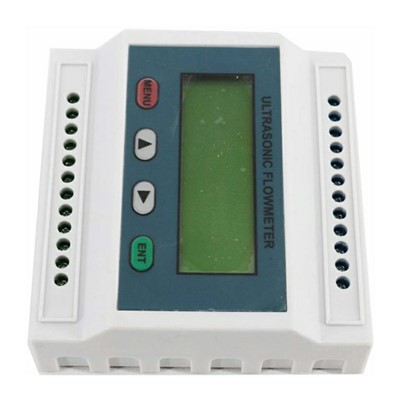
In conclusion, electromagnetic flow meters can be effectively used in power plants for a variety of applications. Their high precision, wide range of applications, low maintenance requirements, and ability to handle different conductive fluids make them a valuable asset in the power generation industry. However, potential limitations such as fluid conductivity requirements, installation considerations, and cost must also be taken into account.
Marine Non-Destructive Testing Equipment If you are a power plant operator or involved in the power generation industry, and you are looking for reliable flow measurement solutions, I encourage you to consider our electromagnetic flow meters. Our team of experts can provide you with detailed information about the products, help you with the selection process, and offer support for installation and maintenance. If you have any questions or would like to start a discussion about your specific flow measurement needs, feel free to reach out. We are eager to collaborate with you to find the best solution for your power plant.
References
- "Flow Measurement Handbook: Industrial Designs, Operating Principles, Performance, and Applications" by Ralph W. Miller.
- "Power Plant Engineering" by P.K. Nag.
- Various research papers on flow measurement in power plant processes from industry – specific journals like "Power Engineering Journal" and "Journal of Energy Resources Technology".
Dalian Yheng Technology Co., Ltd.
Dalian Yheng Technology Co., Ltd. is one of the leading electromagnetic flow meter manufacturers and suppliers in China, also supports customized service. We warmly welcome you to buy high quality electromagnetic flow meter in stock here from our factory. Contact us for more details.
Address: F1605, NO.10 Huoju road, High-tech Industrial Zone, Dalian, China
E-mail: admin@dlyheng.com
WebSite: https://www.yhengphmeter.com/
