Hey folks, let’s cut to the chase—if you’re deep in pneumatics, you’ve probably seen straight pneumatic fittings everywhere and didn’t even notice. As someone who’s been supplying these little workhorses for years, I get it: most folks only think about them when they’re fixing a leak, not when they’re the unsung heroes keeping an entire system running smooth. Today, we’re breaking down exactly where these bad boys show up, why they matter, and how picking the right one can save you a ton of headache (and cash) down the line. Pneumatic Fitting
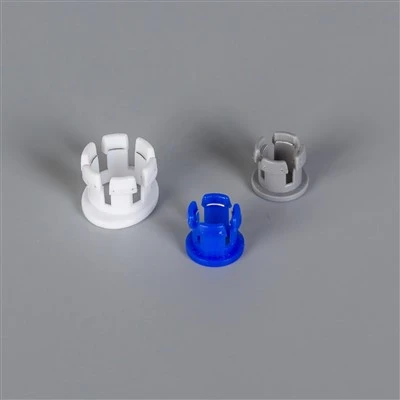
First off, let’s keep the basics real for anyone new here. Straight pneumatic fittings are those compact, threaded or push-to-connect pieces that join two lengths of pneumatic tubing or a tube and a component—no fancy angles, no weird bends, just a straight shot. They’re made from all sorts of stuff: brass for heavy-duty, corrosion-resistant jobs, plastic for light, budget-friendly runs, stainless steel for super dirty or high-temperature environments, and even nickel-plated brass for extra wear resistance. The key? They create a leak-tight, air-sealed connection that’s critical for keeping pressure consistent in pneumatic systems, which run on compressed air to do everything from lifting a car to packing a bag of chips.
Now, let’s get into the applications—this is the fun part, because these fittings are literally in every industry you can name. Let’s start with industrial automation, because that’s where I’ve seen straight fittings earn their keep for decades. Think about a factory assembly line: you’ve got robotic arms that pick up parts, conveyor belts that sort goods, and sensors that check for defects. All of these run on small pneumatic actuators, right? Those actuators need precise, consistent air pressure to move exactly where they’re supposed to, and straight fittings are the go-to for connecting the small-bore tubing that feeds them. Why straight? Because in tight assembly setups, you don’t want extra angles taking up space. A straight fitting can thread right into a compact actuator without forcing you to reroute tubing, which keeps the line clean and efficient. I remember a customer a few years back making car door handles—they were using 1/4-inch push-to-connect straight fittings to run air to 20 robotic grippers on one line. When they switched to higher-quality brass fittings from my supply, their leak rate dropped by 12% and their downtime for replacing failed parts went from twice a month to once every three months. That’s the kind of win everyone wants.
Next up, food and beverage processing. This is a huge one, because pneumatic systems here have to meet super strict hygiene standards. No messy oils, no rough surfaces that can trap bacteria, easy to clean. Straight pneumatic fittings made from food-grade stainless steel or PVC are perfect here. Think about a soda can line: those huge metal arms that grab empty cans, fill them, and seal them? They use pneumatic cylinders, and the tubing running to those cylinders needs to be connected with fittings that won’t leach chemicals into the product. Straight fittings are also easy to sanitize—no crevices where gunk can build up, unlike some angled fittings that have tight corners. I’ve got a client that runs a craft brewery, and they use our food-grade straight push-to-connect fittings to move air through their canning line. They told me once that when they upgraded from generic plastic fittings to our stainless steel ones, they passed their FDA inspection on the first try for two years straight. No more scares about hidden bacteria in their air lines—straight fittings make that kind of reliability possible.
Then there’s automotive manufacturing, which is basically a playground for pneumatics. Car factories run on thousands of pneumatic tools and systems, from tightening lug nuts to painting cars. Straight fittings are everywhere here, but there’s a specific use case that stands out: under-the-hood assembly. Wait, not in the car itself—wait, on the assembly line. When they’re putting together an engine, transmission, or the interior, they need air tools that are connected via hoses, but also small pneumatic valves that control things like seat adjustments or brake line pressure. Straight fittings are used to connect those small-diameter tubing runs because they’re lightweight and don’t add extra weight to the line. Plus, automotive lines run 24/7, so durability is key. I supply a Detroit-area car plant with nickel-plated brass straight fittings specifically for their powertrain assembly lines—they run those lines three shifts a day, five days a week, and the fittings don’t rust or wear out, even with all the constant vibration from the heavy machinery. Last year, they told me they saved over $50k in replacement costs because they stopped having to swap out cheap fittings that cracked under pressure.
Don’t sleep on medical devices, either. This is a super high-stakes application, because if a pneumatic system in a hospital or lab fails, it can have serious consequences. Straight pneumatic fittings here are used in things like infusion pumps, surgical tools, and lab analyzers—all devices that need precise air pressure to work correctly. For example, an anesthesia machine uses pneumatic valves to mix and deliver air and anesthetic gases to patients. The fittings connecting those valves have to be 100% leak-proof, because even a tiny air leak could throw off the gas mix and harm someone. Straight fittings are ideal here because their simple, straight design means fewer points of failure and easier sterilization. I’ve worked with a medical device startup that makes portable oxygen concentrators—they use our mini straight push-to-connect fittings to route air through their device. They told me that the consistency of our fittings helped them get their FDA 510(k) clearance faster, because their product had fewer reliability issues in testing. That’s the kind of impact small parts can have—no exaggeration.
Wait, what about smaller-scale stuff, like DIY projects or small businesses? A lot of people don’t realize straight pneumatic fittings aren’t just for huge factories. If you’re a woodworker using a pneumatic nail gun, that nail gun probably has a quick-connect straight fitting that hooks it up to your air compressor. Or if you run a small print shop, the pneumatic system that feeds paper into your presses uses straight fittings to keep the air moving smoothly. Even my neighbor who builds custom birdhouses uses a small pneumatic stapler with a straight fitting from time to time. The thing is, even on a small scale, using the right straight fitting makes a difference—cheap fittings can leak air, making your compressor work harder and wasting electricity. I’ve had a bunch of small business owners come to me saying they were overspending on their electric bills because their old fittings were leaky, and switching to properly sized straight fittings cut their energy use by 10-15%. That’s real money for a small shop.
Now, let’s talk about a common mistake I see all the time: people buying straight pneumatic fittings that are the wrong size or material. I can’t tell you how many times a customer has come to me with a leaking line, and it’s because they used a plastic straight fitting for a high-pressure application that needed brass, or a 1/8-inch fitting when they needed 3/8-inch. The size of the fitting has to match the tubing and the pressure of the system—too small, and you get restricted air flow; too big, and you get leaks. Material matters too: if you’re running a system that gets hot (like near a boiler or a oven in a food plant), plastic fittings will melt, so you need stainless steel or brass. If you’re in a place with a lot of moisture (like a shipyard or a water treatment plant), brass or stainless will resist corrosion, but cheap steel will rust in no time. That’s what I’m here for— I don’t just sell fittings, I help people pick the right one for their specific job, because I’ve seen what happens when you cut corners.
Another thing: push-to-connect vs. threaded straight fittings. Push-to-connect is super popular for quick installs—you just push the tubing in, and it locks in place, no tools needed. That’s great for small jobs or lines that need to be changed often. Threaded straight fittings are better for high-pressure, permanent installations because they create a super tight seal with Teflon tape or pipe dope. I always tell customers to ask themselves: will this line need to be modified later? If yes, push-to-connect; if it’s a set-it-and-forget-it line, threaded is fine. Neither is “better”—it’s just about matching the fitting to the job.
Now, let’s wrap this up, because I know you’re probably starting to see how important these little parts are. Straight pneumatic fittings are the backbone of every pneumatic system, from the biggest auto factories to the smallest woodworking shops. They’re used in automation, food and beverage, automotive, medical, and even casual DIY projects. But here’s the thing: not all straight fittings are the same. Cheap, generic ones might work for a little while, but they’ll end up costing you in downtime, repairs, or even safety issues. That’s why as a pneumatic fitting supplier, I focus on providing high-quality, properly sized fittings for every application, no matter how big or small.

If you’re dealing with a pneumatic system—whether you’re fixing a leaky line at a factory, outfitting a new medical device, or just need a new fitting for your nail gun—don’t waste time guessing. Reach out to talk through your needs. I can help you pick the right straight pneumatic fitting that works for your pressure, environment, and budget, so you can avoid the headaches I’ve seen too many folks deal with. Let’s chat, figure out exactly what you need, and get your system running smooth. Trust me, it’s way better than troubleshooting a leaky line at 2 a.m. on a production deadline.
Water Fittings References
- Pneumatic Fitting Selection Guide: Engineering360, Global Spec
- Food-Grade Pneumatics Standards: FDA 21 CFR Part 117
- Automotive Pneumatic System Reliability Report: Society of Automotive Engineers (SAE) International
- Medical Device Pneumatic Component Requirements: ISO 13485
Yuyao Eshiong Pipe Fittings Technologies Co., Ltd.
Yuyao Eshiong Pipe Fittings Technologies Co., Ltd. is one of the most professional pneumatic fitting manufacturers and suppliers in China. With abundant experience, we warmly welcome you to wholesale bulk customized pneumatic fitting at competitive price from our factory. If you have any enquiry about free sample, please feel free to email us.
Address: No.263,North Yangshan Village, Lishan, Ditang Subdistrict, Yuyao ,Ningbo ,Zhejiang
E-mail: sales@trosung.com
WebSite: https://www.eshiongcn.com/
