Hey everyone, I’m [Your First Name] with the team here, and if you’ve ever worked with industrial drive motors—whether you’re a plant manager, a maintenance tech, or just someone who’s dealt with a machine that suddenly started sounding like a jet engine taking off in your workshop—you know that weird, persistent noise isn’t just annoying. It’s a red flag that something’s off, and more importantly, it’s a sign you might be dealing with reduced motor life or even unplanned downtime that’ll eat into your profits. As a drive motor supplier, I get questions about noise all the time, and most people don’t realize how many little, interconnected things can cause that racket. Let’s break this down like we’re chatting over a coffee, no stuffy jargon overload, okay? Drive Motor
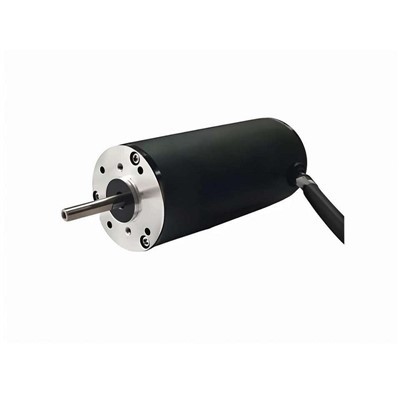
First off, let’s start with the basics: what even counts as “motor noise”? It’s not just the occasional rattle—we’re talking about anything from high-pitched whines to deep grinds, screeches, or even a rough, rumbling vibration that shakes the whole machine. And trust me, not all noise is created equal; different sounds point to different problems, and catching that early can save you tens of thousands in repairs later. Let’s dive into the actual causes, starting with something super common: bearing issues. Bearings are the unsung heroes of a drive motor—they’re the tiny, rolling or sliding parts that let the motor shaft spin smoothly, right? But if they go bad, that’s where most noise starts. I’ve seen this so many times: a customer calls saying their motor’s making a weird grinding sound, and 9 times out of 10, it’s the bearings. Why? Maybe they got a tiny bit of contamination—like metal shavings, dust, or even old grease that dried out too fast. Or maybe they were installed wrong; even a tiny misalignment when pressing the bearing onto the shaft or into the housing can make them wear unevenly over time, leading to that high-pitched squeal or rough rumble. And here’s a pro tip for anyone in the field: if the noise gets worse as the motor speeds up, it’s almost always bearing-related. I can’t tell you how many customers fixed that just by repacking bearings with the right grease or swapping them out entirely. Next on the list—electrical unbalance, which is a big one that a lot of folks miss. See, drive motors run on electrical current, right? If there’s an imbalance in the voltage or current going to the motor windings, that creates something called electromagnetic force that makes the stator (the stationary part of the motor) vibrate. That vibration turns into noise, usually a high-pitched whine that’s consistent with the motor’s RPM. Why does that imbalance happen? Sometimes it’s from a faulty VFD (variable frequency drive)—those things are super common now for energy efficiency, but if they’re not calibrated right, or if there’s a harmonic distortion in the power grid, that messes with the current. Other times, it’s from damaged windings inside the motor—like insulation that’s worn out from overheating, which causes a short circuit and that uneven electromagnetic force. I had a customer last month whose conveyor motor was making this weird whine, and they thought it was bearings. Turns out their VFD was set to the wrong frequency, and once we adjusted that, the noise was gone in 10 minutes. Crazy, right?
Now, let’s talk about mechanical misalignment, which is another top culprit. This is when the motor shaft isn’t perfectly lined up with the shaft of the equipment it’s connected to—like a pump, conveyor, or fan. Even a tiny misalignment, like 0.1 degrees, might not feel like a big deal, but over time it creates a lot of stress on the motor’s shaft and bearings, leading to vibration noise. You’ll usually feel this too, not just hear it—if the motor’s base is vibrating or the coupling between motor and equipment feels loose, that’s misalignment. I’ve seen companies skip alignment checks to save time, but that’s a mistake. Misalignment not only causes noise, it also cuts motor life by 50% or more in some cases. And here’s a trick: if the noise is worse at startup than when the motor’s running steady, that might be misalignment, because the thermal expansion when the motor heats up shifts the parts just enough to throw it off. Next up, something a lot of people overlook: loose or worn components. Motors have a lot of parts that need to stay tight—bolts holding the motor to the base, mounting brackets, the coupling, even the fan blades on the end of the motor. If any of these get loose, they’ll rattle, vibrate, or even shift around, creating noise. I remember a food processing plant that called us because their motor was making a loud, intermittent clanking sound. We showed up, took a look, and realized a fan blade on the motor’s cooling end had a loose bolt—half the blade was hanging off, rattling every time the motor spun. Swapping that blade and tightening the bolt fixed it instantly. Another common one: worn or damaged fan blades. The cooling fan on a motor keeps it from overheating, but if the blades are bent, chipped, or have debris stuck to them, they create an unbalanced airflow, which causes vibration and noise. That’s usually a low-frequency rumble, easy to spot once you look at the fan.
Wait, there’s another big category that’s more common in newer high-performance drive motors: cogging torque and slot harmonics. Let me break that down simply. The inside of a motor has slots in the stator where the windings are placed, right? And the rotor has magnets (in permanent magnet motors, which are super popular now for efficiency) or steel poles. Sometimes, the design of these slots and magnets can cause a “cogging” effect—where the rotor sticks a little as it spins, creating a periodic noise that’s at a specific frequency, usually low or mid-range. This is more common in motors that are sized for very precise speed control, like in robotics or packaging equipment. It’s not always a defect, but it can be an issue if the noise is too loud or causing vibration in the connected equipment. The good news is that modern motor designs use things like skewed slots or uneven magnet shapes to reduce this, but if you’re using an older motor, you might run into this more often. And if you’re dealing with a high-torque drive motor, that torque ripple (small fluctuations in torque as the motor spins) can also create noise, because those fluctuations turn into vibration that you hear. I’ve dealt with a few robot manufacturers who called because their pick-and-place motors were making this weird rhythmic hum—turns out it was slot harmonics from their motor design, and we were able to swap in a slightly different motor winding pattern to fix it.
Oh, and let’s not forget about environmental factors! The space around the motor matters a lot. If the motor is installed in a dirty, dusty environment—like a sawmill, a mine, or a construction site—debris can get into the bearings, the cooling fan, or the ventilation slots, causing wear and noise. If it’s a wet or humid space, that can corrode the bearings or windings, leading to electrical issues and noise too. I had a customer in a grain processing plant whose motor was making a loud grinding noise all the time. Turns out, grain dust was getting into the motor through the ventilation grills, clogging the bearings and drying out the grease. We sealed the ventilation slightly (enough to keep it cool, not too much) and gave them a maintenance schedule to clean the motor quarterly, and that fixed the noise. Another thing: if the motor is mounted in a way that it’s not isolated from the equipment or the floor, the vibration can transfer and amplify, making noise seem louder than it actually is. Adding rubber mounts or vibration pads between the motor base and the floor can cut that noise down a lot.
Now, as someone who’s worked with drive motors for years, I want to throw in a few quick tips to spot noise early, because catching it before it turns into a big problem is key. First, start with listening: note when the noise happens—Is it only at startup? Only at high speeds? Does it get louder under load? That tells you so much. For example, noise only at high load might be electrical unbalance or bearing wear, while noise at startup is often misalignment. Second, do a quick visual check: look for loose bolts, bent fan blades, debris around the motor, or signs of overheating (like discolored windings). Third, do a simple vibration test if you have a handheld tool—even a basic vibration meter can tell you if the vibration is above normal levels, which points to a problem. And never ignore unusual noise! I’ve seen too many companies wait to fix a weird noise, and end up with a motor that seizes up entirely, which costs way more than fixing it early.
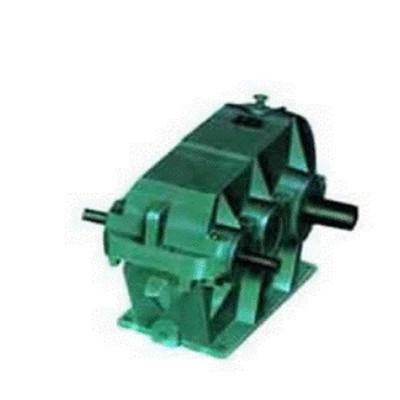
Here’s the thing: noise in a drive motor isn’t just an annoyance—it’s a diagnostic tool. Every sound has a cause, and most of the time, that cause is fixable, whether it’s a simple bearing repack, a VFD adjustment, or a quick alignment check. As your drive motor supplier, we don’t just sell you a motor and walk away—we help you figure out why that noise is happening, and find the right solution, whether that’s repairing your existing motor, upgrading to a more efficient model, or adjusting your system to eliminate the noise. If you’re dealing with persistent motor noise that’s throwing off your operations, don’t let it slow you down. Reach out to our team to chat through your specific issue, get a quick diagnosis, and find a cost-effective fix that gets your motor running smoothly again. No sales pitches, no jargon, just real help for real industrial problems.
Gear Motor References:
- Bose, Bimal K. Modern Power Electronics and AC Drives. Prentice Hall, 2002.
- Toliyat, Hamid A., and Gerald B. Kliman. Handbook of Electric Motors. 2nd ed., CRC Press, 2004.
- American Gear Manufacturers Association (AGMA). Guidelines for Mechanical Alignment of Rotating Equipment, 2018.
- NEMA Standards Publication MG 1-2021: Motors and Generators, National Electrical Manufacturers Association, 2021.
Zibo Auric Mechanical and Electrical Technology Co., Ltd.
Address: B419, High-tech Entrepreneurship Park, High-tech Zone, Zibo City
E-mail: cui@auricmotor.com
WebSite: https://www.auricmotor.com/
