Hey there! If you’ve ever ordered a bag of chips that stayed crispy for weeks, a pack of medical wipes that never dried out, or a small gadget that made it through a shipping box scot-free, odds are it was wrapped in a fin seal pouch. As someone who’s been supplying these pouches to businesses big and small for years, I get how frustrating it can be to nail the right sealing method—mess up, and suddenly your product goes stale, gets contaminated, or ends up damaged before it even reaches your customer. I’ve seen it all: suppliers rushing a seal job and losing a whole batch of snacks, a medical device brand that had to throw out hundreds of units because of a tiny seal gap, even a local candle maker whose soy candles got covered in dust because their fin seal wouldn’t stay shut. Fin Seal Pouches
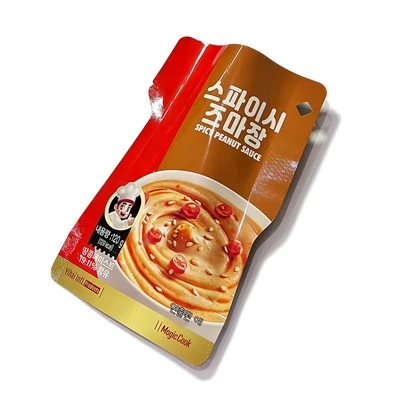
Today, I’m breaking down the most common sealing methods for fin seal pouches, no stuffy textbook jargon, just real talk from a supplier who’s tested every single one out in the field. I’ll cover what works for which products, the pros and cons you actually care about (not just the marketing fluff), and when to ditch one method for another. By the end, you’ll have a clearer idea of what’s going to keep your product safe and your customers happy.
First, let’s quickly refresh what a fin seal pouch even is, just to make sure we’re on the same page. Unlike stand-up pouches with a side gusset or pillow pouches, fin seal pouches get their name from that little “fin” strip you see running along one side (or sometimes both sides) of the pouch. It’s basically an extra layer of film that’s sealed to the main body of the pouch, creating a strong, even bond. That fin is where all the sealing action happens—so the method you use to heat, press, or adhere that fin makes all the difference.
Let’s start with the bread and butter of fin seal pouches: heat sealing. This is the method we use most for regular flexible pouches, from snack foods to small hardware, and it’s super straightforward. The idea is simple: you apply heat to the fin strip and press it firmly against the opposite side of the pouch (or another layer of film) to melt the plastic, which then cools and hardens into a tight seal. Wait, but not all heat sealing is the same, right? Let’s break down the common types of heat sealing we use daily.
The first one is constant heat sealing, also sometimes called direct heat sealing. This is the old reliable workhorse—we use this for high-volume production runs, like when we’re making 10,000 snack pouches for a local chip brand. You’ve got two heated bars (or rollers, for inline production) that stay at a set temperature the whole time. The pouch’s fin moves between them, gets heated, pressed, and sealed as it goes. Sounds easy, but there’s a catch: you have to get the temperature and pressure just right. Too hot, and the plastic melts through, leaving holes. Too cold, and the seal is weak, easy to pop open. Too little pressure, same problem—bad bond. For products that need a medium-level seal, like dry snacks or non-sensitive parts, this works like a charm. It’s fast, consistent, and cheap for large runs.
Then there’s impulse heat sealing, which is our go-to for smaller batches or custom orders. Unlike constant heat, this method doesn’t keep the bars hot 24/7. Instead, you trigger a short burst of heat—usually a fraction of a second—when the pouch is in place. The bars apply pressure for a second, heat fires, then the heat cuts out immediately, and you hold the pressure a little longer as the plastic cools down. Why do we love this? It’s way more flexible for custom jobs. If a customer needs 500 pouches for a pop-up shop, not 10,000, impulse sealing is way easier than setting up a whole constant heat line. It also works better for thinner films, like the ones we use for small tea bags or jewelry pouches, because it doesn’t overheat the flimsy plastic. The downside? It’s slower for super high volume—you can only do so many short bursts an hour, whereas constant heat cranks them out nonstop. We recommend impulse sealing for specialty orders or small business runs that don’t need 10k+ units.
Oh, and there’s ultrasonic sealing, which is a newer method that’s blowing up for certain products. Wait, I’m not talking about the ultrasound stuff—this uses high-frequency sound waves, not heat, to create the seal. The way it works is: a vibrating tool hits the fin strip of the pouch, the sound energy creates friction between the two layers of plastic, melting just the surface of the film, and pressure holds them together as it cools. No external heat needed, so that means no risk of overheating heat-sensitive products—like medical supplies, food that can’t get too hot, or even electronics that might be damaged by high temps. We’ve used this a lot for clients in the medical space, because it creates a super strong, airtight seal without any chance of scorching. It’s also cleaner—no melted plastic oozing out of the seal, so the pouch looks neater. The catch? Ultrasonic sealing equipment is more expensive upfront, so it’s not ideal for a small business that only runs a few batches a month. But for high-volume, medical-grade, or heat-sensitive products? It’s worth every penny.
Now, heat sealing isn’t the only game in town. Some products just can’t handle heat—think of things that melt, like candles, or get ruined by moisture from melted film, like certain craft supplies. That’s where cold sealing comes in. No, not cold as in refrigerate—cold sealing uses an adhesive to bond the fin strip instead of heat. There are two main types of cold seals we use, actually. First is pressure-sensitive cold sealing, which is basically like a really strong sticker. One side of the fin has a sticky adhesive that’s activated when you press it against the other layer. You don’t need any heat, just pressure. This is perfect for products that can’t stand heat—like the soy candles I mentioned earlier, or even some delicate craft papers. The downside is that it’s not as airtight as heat seals, so it’s not good for products that need to stay fresh or protected from moisture. We always warn our candle clients that if they use cold seal, they need to make sure their packaging is stored in a dry place, because the seal can let in moisture over time.
The other cold seal type is moisture-activated cold sealing, which is way stronger. This uses a special adhesive that only gets sticky when it’s exposed to water or moisture. Usually, we apply the adhesive to one part of the fin, then you dampen it with a roller or a spray, press the two layers together, and it creates a tight, airtight seal. This is great for things like powder products—like protein powder or dry seasoning—because it keeps moisture out, no heat required. We also use it for some food products that are sensitive to heat, like freeze-dried fruit. The only downside is that you have to handle the moisture step carefully—too little dampness, and the seal doesn’t stick; too much, and it can get on the product inside the pouch. That takes a little more precision, but once you get the hang of it, it works really well.
Wait, let’s not forget about special cases. Some products need a seal that can be opened easily but stays closed until someone opens it—you know, those resealable pouches for coffee or snacks. What do we use for those? A lot of our clients go with a combination of heat sealing and a zipper. Wait, no, not just a regular zipper—for fin seal pouches, we often use a heat-seal resealable strip, called a “zip lock” but the industrial version. You attach the zipper to the pouch before sealing the fin, then when you seal the fin with heat, you make sure the zipper is aligned right so it works properly. That way, you get the strength of a fin seal and the convenience of reclosability. It’s perfect for coffee, snacks, pet food—anything that customers want to open multiple times. The trick here is making sure the zipper is compatible with your film material, because some zippers don’t seal well with certain plastics, so you have to test that first.
Now, I’ve seen a lot of suppliers skip testing the seal before full production, and that’s a huge mistake. Let me tell you from experience: I once had a client who ordered 5,000 fin seal pouches for their granola bars, used impulse sealing without testing, and ended up with 1,200 pouches that had weak seals that would pop open during shipping. They lost thousands of dollars, and their brand got a bad rap. So always test first, no matter which method you use. How do we test? We do a peel test: open a sample seal, pull it apart to see if it’s the right strength—if the film tears before the seal comes apart, that’s a good sign. We also do a leak test: submerge the sealed pouch in water, squeeze it gently, and look for bubbles—if there are bubbles, there’s a gap in the seal. For medical products, we do even stricter tests, like checking for bacteria getting in. It takes an extra day, but it saves you from losing a whole batch.
So how do you pick the right sealing method for your product? Let’s break it down by use case, since that’s what matters most. If you’re making regular snack foods, dry hardware, or high-volume orders (10k+ units), constant heat sealing is your go-to. Fast, cheap, reliable. If you’re small batch, custom orders, or thinner films, impulse heat sealing is perfect. If you have heat-sensitive products—medical supplies, electronics, freeze-dried food—ultrasonic sealing is the way to go for that airtight, safe seal. If you can’t use heat at all—candles, delicate crafts—cold sealing, either pressure-sensitive for non-airtight or moisture-activated for airtight. And if you need resealable pouches, add a heat-seal zipper to your fin seal, tested to make sure it works with your process.
I can’t stress this enough: don’t just go with the method everyone else uses. A lot of snack brands use constant heat, but if your snack is super fragile, you might need a gentler seal, like impulse or ultrasonic, so you don’t crush the product inside. A lot of small business owners I work with want to save money, so they pick the cheapest sealing method, but if your product needs to stay fresh, that cheap cold seal will end up costing you way more in returns and bad reviews.
At the end of the day, fin seal pouches are only as good as their seal. I’ve been in this game for years, and I’ve seen first-hand how a good seal can make a product a hit, and a bad one can sink it. If you’re not sure which method is right for your specific product—whether you’re a small batch maker just starting out, a mid-sized brand expanding, or a big corporation looking to upgrade your packaging—don’t guess. Reach out, and we can walk through your needs, test materials and sealing methods, and get you set up with the perfect fin seal pouches that keep your product safe, your customers happy, and your brand looking good.
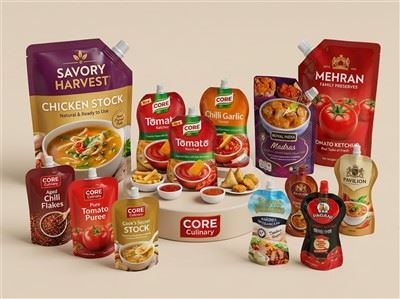
When it comes to something as important as packaging, you don’t want to cut corners. We don’t just sell pouches—we help you pick the best sealing method for your product, because your success is our success. So if you’re ready to stop stressing about seals and start getting consistent, reliable packaging that works for you, reach out to us to discuss your fin seal pouch needs. We’re here to answer questions, run tests, and make sure you get exactly what you need.
Pet Food Packaging Solutions References
- Soroka, W. (2015). Fundamentals of Packaging Technology. Institute of Packaging Professionals.
- Hanlon, J. F., Kelsey, R. J., & Forcinio, H. E. (2019). Handbook of Package Engineering (4th ed.). CRC Press.
- Yam, K. L. (2019). The Wiley Encyclopedia of Packaging Technology (3rd ed.). Wiley.
- European Packaging Federation. (2021). Flexible Packaging Sealing Technologies Guide.
Qingdao Senlida Packing Co., Ltd.
Qingdao Senlida Packing Co., Ltd. is one of the most experienced fin seal pouches manufacturers and suppliers in China since 1995. With a professional production team, we are able to meet the needs of the majority of our customers. Please feel free to buy high quality packing products at competitive price from our factory.
Address: No.299 Feichao Road, Luwang Town, Huangdao District, Qingdao, Shandong Province, China.
E-mail: liuxh@qdsenlida.com
WebSite: https://www.senlidapacking.com/
