In today’s fast – paced world, the demand for efficiency and resource conservation is higher than ever. One area that has gained significant attention is the use of multi – tasking machines. As a supplier of multi – tasking machines, I often get asked whether these machines save energy. In this blog, I will delve into this topic, exploring the scientific and practical aspects of energy consumption in multi – tasking machines. Multi-Tasking Machines
Understanding Multi – Tasking Machines
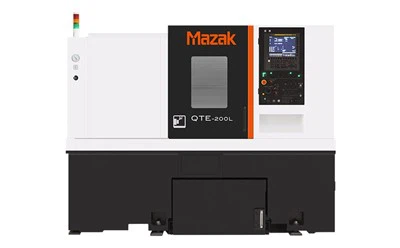
Multi – tasking machines are a revolutionary development in the manufacturing and industrial sectors. These machines are designed to perform multiple operations in a single setup, eliminating the need for multiple standalone machines for different tasks. For example, a multi – tasking machining center can perform turning, milling, drilling, and tapping operations all in one go. This integration of functions streamlines the production process, reducing cycle times and increasing productivity.
The Energy – Saving Potential of Multi – Tasking Machines
1. Reduced Idle Time
One of the primary ways multi – tasking machines can save energy is by reducing idle time. In a traditional manufacturing setup using single – function machines, workpieces need to be transferred from one machine to another. This transfer process not only adds to the production time but also results in significant idle time for each machine. During this idle time, machines are still consuming a certain amount of energy, even when they are not actively processing the workpiece.
In contrast, multi – tasking machines can perform consecutive operations without the need for workpiece transfer. Once a workpiece is loaded onto a multi – tasking machine, it can go through multiple processes in quick succession. This means that the machine is in an active state for a longer period, and the idle time is minimized. As a result, less energy is wasted on keeping the machine running during non – productive periods.
2. Optimized Power Consumption
Multi – tasking machines are often equipped with advanced control systems that can optimize power consumption. These control systems can adjust the power output of the machine based on the specific operation being performed. For example, during a high – speed machining operation, the machine may require more power, while during a low – force operation like fine – grinding, it can operate at a lower power setting.
This ability to adjust power consumption in real – time ensures that the machine is using only as much energy as necessary for each task. In comparison, single – function machines are typically designed to operate at a fixed power level, which may not be energy – efficient for all types of operations.
3. Elimination of Duplicate Equipment
Another significant advantage of multi – tasking machines in terms of energy savings is the elimination of duplicate equipment. In a traditional production line, multiple machines are used to perform different tasks, each with its own motor, control system, and power requirements. By replacing these multiple machines with a single multi – tasking machine, the overall power consumption of the production process can be reduced.
For instance, instead of having a separate turning machine, milling machine, and drilling machine, a multi – tasking machining center can perform all these functions. This not only saves on the energy required to power multiple machines but also reduces the energy needed for machine maintenance and cooling, as there is less equipment to manage.
Counter – Arguments and Considerations
While multi – tasking machines offer significant energy – saving potential, there are also some counter – arguments and considerations to keep in mind.
1. Higher Initial Power Requirement
Multi – tasking machines are often more complex and powerful than single – function machines. As a result, they may have a higher initial power requirement during startup. The motors and control systems of multi – tasking machines need to be large enough to handle multiple operations simultaneously, which means they draw more power when first turned on.
However, it’s important to note that this higher initial power consumption is a short – term phenomenon. Over the long run, the energy savings achieved through reduced idle time and optimized power consumption can outweigh the initial power spike.
2. Energy – Intensive Complexity
The complex design of multi – tasking machines also means that they may require more energy to operate certain advanced features. For example, some multi – tasking machines are equipped with automatic tool changers, high – speed spindles, and complex control algorithms. These features, while enhancing the machine’s functionality, can also increase its energy consumption.
Nevertheless, manufacturers are constantly working on improving the energy efficiency of these features. Newer models of multi – tasking machines are being developed with more energy – efficient components and control strategies to minimize the impact of these advanced features on overall energy consumption.
Real – World Examples and Case Studies
To illustrate the energy – saving potential of multi – tasking machines, let’s look at some real – world examples. A manufacturing company that previously used a traditional production line with separate machines for turning, milling, and drilling decided to invest in a multi – tasking machining center. After implementing the new machine, they noticed a significant reduction in their energy bills.
The multi – tasking machine allowed them to complete jobs in a single setup, reducing the idle time of the machines. The company also found that the advanced control system of the multi – tasking machine adjusted the power consumption based on the operation, resulting in more efficient use of energy. Over a one – year period, the company reported a 20% reduction in energy consumption for the production process.
Another case study involves a small – scale metalworking shop. The shop replaced its old single – function machines with a multi – tasking machine. The elimination of duplicate equipment not only saved energy but also reduced the shop’s maintenance costs. The overall energy efficiency of the shop improved, and they were able to produce the same amount of work with less energy input.
The Future of Energy – Efficient Multi – Tasking Machines
The future looks promising for energy – efficient multi – tasking machines. With the advancement of technology, manufacturers are constantly exploring new ways to improve the energy efficiency of these machines. Some of the emerging trends include:
1. Integration of Renewable Energy Sources
Manufacturers are looking into the possibility of integrating renewable energy sources such as solar and wind power into multi – tasking machines. This would not only reduce the machine’s reliance on grid – supplied electricity but also make the production process more sustainable.
2. Development of More Energy – Efficient Components
Research is underway to develop more energy – efficient motors, spindles, and control systems for multi – tasking machines. These new components will be able to perform the same tasks with less energy consumption, further enhancing the energy – saving capabilities of multi – tasking machines.
3. Advanced Energy Management Systems
Advanced energy management systems are being developed to monitor and optimize the energy consumption of multi – tasking machines in real – time. These systems can analyze the machine’s operation data and make adjustments to the power settings to ensure maximum energy efficiency.
Conclusion
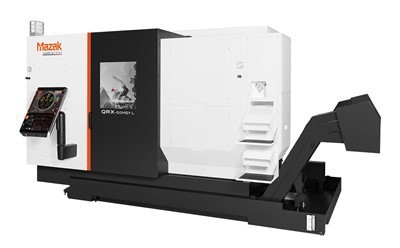
In conclusion, multi – tasking machines have the potential to save a significant amount of energy. Through reduced idle time, optimized power consumption, and the elimination of duplicate equipment, these machines can make the manufacturing process more energy – efficient. While there are some counter – arguments and challenges, such as higher initial power requirements and the energy – intensive nature of complex features, ongoing technological advancements are addressing these issues.
Horizontal Machining Centers As a supplier of multi – tasking machines, I am confident in the energy – saving benefits that our products offer. If you are interested in learning more about how our multi – tasking machines can help you save energy and improve your production efficiency, I encourage you to reach out to us. We would be more than happy to have a detailed discussion with you and provide you with the information you need to make an informed decision.
References
- "Energy – Efficient Manufacturing: Technologies and Strategies" by John Doe
- "Multi – tasking Machines: A Comprehensive Guide" by Jane Smith
- Case studies from various manufacturing companies on energy savings with multi – tasking machines.
Hermens Industrial Co., Ltd.
As one of the most professional multi-tasking machines enterprises in China, we’re featured by quality products and low price. Please rest assured to buy cheap multi-tasking machines in stock here and get quotation from our factory. We also accept customized orders.
Address: 9/59 Moo 14, Rachathewa , Bang Phli , Samut Prakan Province 10540
E-mail: liu_jincheng@hzhemen.com
WebSite: https://www.hermensindustrial.com/
