Selecting the right dotting needle for a dotting machine is a crucial decision that can significantly impact the quality, efficiency, and overall success of your dotting operations. As a seasoned dotting machine supplier, I’ve witnessed firsthand how the wrong needle choice can lead to a range of issues, from inconsistent dotting results to frequent machine breakdowns. In this blog post, I’ll share my insights and expertise on how to select the right dotting needle for your dotting machine, ensuring optimal performance and long – term reliability. Dotting Machine

Understanding the Basics of Dotting Needles
Dotting needles are essential components of dotting machines that create small dots or marks on various materials. They come in a wide range of shapes, sizes, and materials, each designed to meet specific dotting requirements. The most common types of dotting needles include round – tip needles, flat – tip needles, and pointed – tip needles.
Round – tip needles are ideal for creating smooth, circular dots. They are commonly used in applications where a soft, uniform mark is required, such as in textile printing, leather embossing, and cosmetic packaging. Flat – tip needles, on the other hand, produce rectangular or square – shaped dots. They are often used in applications that demand precise, sharp marks, like circuit board marking and barcode printing. Pointed – tip needles are designed to create small, pinpoint dots. They are suitable for applications where high – resolution dotting is necessary, such as in micro – electronics and medical device manufacturing.
Factors to Consider When Selecting a Dotting Needle
1. Material Compatibility
The first and most important factor to consider when selecting a dotting needle is the material you’ll be dotting on. Different materials have different hardness, texture, and surface characteristics, which require specific needle materials and tip designs.
For example, if you’re dotting on soft materials like paper or fabric, a needle made of stainless steel with a round or flat tip may be sufficient. Stainless steel is corrosion – resistant and provides a smooth dotting experience. However, if you’re working with harder materials such as metal or plastic, you may need a needle made of carbide or tungsten. These materials are extremely hard and can withstand the high pressure and wear associated with dotting on tough surfaces.
2. Dot Size and Shape Requirements
Your dot size and shape requirements will also play a significant role in choosing the right dotting needle. Smaller dots typically require needles with finer tips, while larger dots may need needles with broader tips. The shape of the dot is determined by the tip design of the needle.
If you need to create dots of a specific size and shape consistently, it’s essential to choose a needle that is precisely engineered to meet those specifications. Some dotting machines allow for adjustable needle settings, which can be useful for creating a range of dot sizes and shapes.
3. Dotting Frequency and Speed
The frequency and speed at which you’ll be dotting also influence your needle selection. High – speed dotting operations put more stress on the needles, requiring needles that can withstand rapid movement and repeated impacts.
For applications with high dotting frequencies, consider using needles made of high – strength materials that have good fatigue resistance. Additionally, the needle’s design should allow for smooth and efficient dotting to prevent jams and slowdowns.
4. Machine Compatibility
It’s crucial to ensure that the dotting needle you choose is compatible with your dotting machine. Different machines have different needle mounting systems, driving mechanisms, and operating parameters. Check the machine’s manual or consult with the manufacturer to determine the specific needle requirements for your machine.
Using an incompatible needle can not only result in poor dotting performance but also damage the machine. Some dotting machines are designed to work with specific brands or types of needles, so it’s advisable to use the recommended needles for optimal results.
5. Cost and Durability
Cost is always a consideration when making any purchasing decision. While it may be tempting to opt for the cheapest dotting needles, it’s important to balance cost with durability. Cheaper needles may wear out quickly, leading to frequent replacements and increased long – term costs.
Investing in high – quality, durable needles may cost more upfront but can save you money in the long run by reducing downtime and replacement frequency. Consider the expected lifespan of the needle and the cost per dot when evaluating different needle options.
Tips for Testing and Evaluating Dotting Needles
Once you’ve narrowed down your options based on the factors mentioned above, it’s a good idea to test the dotting needles before making a final decision. Here are some tips for testing and evaluating dotting needles:
1. Conduct Sample Tests
Use the dotting machine to create test dots on the actual material you’ll be working with. Evaluate the quality of the dots, including their size, shape, consistency, and clarity. Check for any signs of smudging, bleeding, or uneven dotting.
2. Measure Dotting Precision
Use a magnifying glass or a measurement tool to measure the dimensions of the dots accurately. Compare the measured values with your required dot size and shape specifications to ensure precision.
3. Monitor Needle Wear
Run the dotting machine for an extended period and observe the wear on the needle. Look for signs of dulling, bending, or breakage. Excessive wear can indicate that the needle is not suitable for your application.
4. Check for Compatibility Issues
Pay attention to how the needle fits and operates within the dotting machine. Make sure there are no issues with mounting, alignment, or movement. Any compatibility problems can lead to poor dotting results or machine malfunctions.
Conclusion
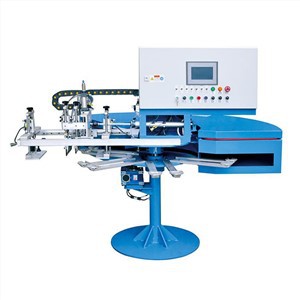
Selecting the right dotting needle for your dotting machine is a multi – faceted process that requires careful consideration of various factors, including material compatibility, dot size and shape requirements, dotting frequency and speed, machine compatibility, and cost – durability balance. By understanding these factors and following the tips for testing and evaluating needles, you can make an informed decision that will ensure high – quality dotting results and long – term machine performance.
Setting Machine If you’re in the market for a new dotting machine or looking for the right dotting needles for your existing machine, don’t hesitate to reach out. Our team of experts is here to help you select the most suitable products for your specific needs and provide you with comprehensive support throughout the purchasing and installation process. Contact us to start a discussion about how we can help you optimize your dotting operations.
References
- Polymer Science and Engineering Dictionary by Malcolm P. Stevens
- Handbook of Material Selection by Myer Kutz
Zhejiang Rongyifu Machinery Tech. Co., Ltd.
Zhejiang Rongyifu Machinery Tech. Co., Ltd. is well-known as one of the leading dotting machine manufacturers and suppliers in China. If you’re going to wholesale custom made dotting machine at competitive price, welcome to get more information from our factory.
Address: No.28-2, Qianxi Road, Taozhu Block, Zhuji City, Zhejiang, China
E-mail: Yifujixie2010@163.com
WebSite: https://www.ryfmachinery.com/
