What are the requirements for using an AC gear motor in a hazardous environment?
As a seasoned supplier of AC gear motors, I’ve witnessed firsthand the critical importance of understanding the requirements for using these motors in hazardous environments. Hazardous environments, which can include areas with flammable gases, combustible dusts, or explosive atmospheres, demand a higher level of safety and reliability from equipment. In this blog post, I’ll delve into the key requirements for using an AC gear motor in such challenging settings, drawing on my years of experience in the industry. AC Gear Motor
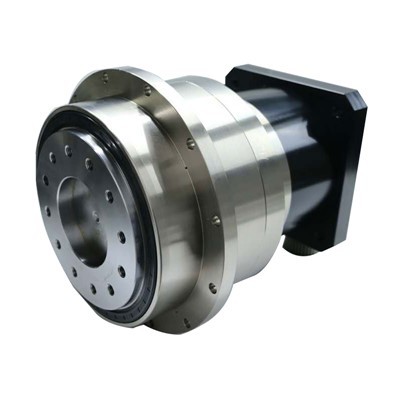
Understanding Hazardous Environments
Before we explore the specific requirements for AC gear motors, it’s essential to understand the different types of hazardous environments. These are typically classified based on the presence of flammable substances and the likelihood of an explosive atmosphere. The most common classification systems are the North American NEC (National Electrical Code) and the international IEC (International Electrotechnical Commission) standards.
NEC Classification
In the North American system, hazardous locations are divided into three classes:
- Class I: Areas where flammable gases or vapors are present. This is further divided into Divisions 1 and 2, with Division 1 indicating a more likely presence of explosive mixtures.
- Class II: Areas where combustible dusts are present. Similar to Class I, it has Divisions 1 and 2.
- Class III: Areas where easily ignitable fibers or flyings are present.
IEC Classification
The IEC system uses a different approach, classifying hazardous areas into Zones:
- Zone 0: An area in which an explosive gas atmosphere is present continuously or for long periods.
- Zone 1: An area in which an explosive gas atmosphere is likely to occur in normal operation.
- Zone 2: An area in which an explosive gas atmosphere is not likely to occur in normal operation and, if it occurs, will exist only for a short time.
For dust environments, there are Zones 20, 21, and 22, which are analogous to the gas Zones but for combustible dusts.
Requirements for AC Gear Motors in Hazardous Environments
Explosion Protection
The primary requirement for an AC gear motor in a hazardous environment is explosion protection. This involves preventing the motor from becoming an ignition source for the surrounding explosive atmosphere. There are several methods of explosion protection, each suitable for different types of hazardous locations.
Intrinsic Safety (IS)
Intrinsic safety is a technique that limits the electrical and thermal energy in a circuit to a level below that required to ignite a specific hazardous atmosphere. Motors with intrinsic safety certification are designed to prevent the release of enough energy to cause an explosion, even in the event of a fault. This method is commonly used in low-power applications in Zone 0 and Division 1 areas.
Flameproof Enclosure (Ex d)
A flameproof enclosure is designed to contain an internal explosion without allowing it to propagate to the surrounding atmosphere. The enclosure is constructed to withstand the pressure generated by an internal explosion and prevent the passage of flames or hot gases. Flameproof motors are suitable for use in Zone 1 and Division 1 areas.
Increased Safety (Ex e)
Increased safety motors are designed to prevent the occurrence of arcs, sparks, or hot surfaces that could ignite an explosive atmosphere. This is achieved through enhanced insulation, improved wiring connections, and other design features. Increased safety motors are typically used in Zone 2 and Division 2 areas.
Temperature Rating
The temperature of the motor’s surface is another critical factor in hazardous environments. If the surface temperature of the motor exceeds the ignition temperature of the surrounding flammable substance, it can cause an explosion. Therefore, AC gear motors used in hazardous areas must have an appropriate temperature rating.
The temperature rating is usually expressed as a temperature class, which indicates the maximum surface temperature of the motor under normal operating conditions. For example, a T4 temperature class means that the maximum surface temperature of the motor is 135°C. The temperature class must be selected based on the ignition temperature of the specific hazardous substance present in the environment.
Sealing and Enclosure
To prevent the ingress of flammable gases or dusts, AC gear motors in hazardous environments must have a high level of sealing. The enclosure of the motor should be designed to protect against the entry of foreign objects and moisture, as well as to contain any internal explosion.
The degree of protection is indicated by an IP (Ingress Protection) rating. For example, an IP65 rating means that the motor is dust-tight and protected against low-pressure water jets. In hazardous environments, motors typically require a high IP rating to ensure the safety and reliability of the equipment.
Certification
In addition to meeting the technical requirements for explosion protection, temperature rating, and sealing, AC gear motors used in hazardous environments must also be certified by a recognized testing agency. Certification ensures that the motor has been tested and meets the relevant safety standards for use in specific hazardous locations.
Some of the most well-known certification bodies include UL (Underwriters Laboratories) in the United States, ATEX (Atmosphères Explosibles) in Europe, and IECEx (International Electrotechnical Commission System for Certification to Standards Relating to Equipment for Use in Explosive Atmospheres) internationally.
Considerations for Selection and Installation
Application Requirements
When selecting an AC gear motor for a hazardous environment, it’s important to consider the specific application requirements. This includes factors such as the required torque, speed, and duty cycle of the motor. The motor should be sized appropriately to ensure that it can handle the load without overheating or causing other performance issues.
Installation and Maintenance
Proper installation and maintenance are crucial for the safe and reliable operation of AC gear motors in hazardous environments. The motor should be installed in accordance with the manufacturer’s instructions and the relevant safety standards. This includes ensuring proper grounding, wiring, and ventilation.
Regular maintenance is also essential to detect and address any potential issues before they become serious problems. This may include inspecting the motor for signs of wear, checking the insulation resistance, and cleaning the motor and its enclosure.
Conclusion
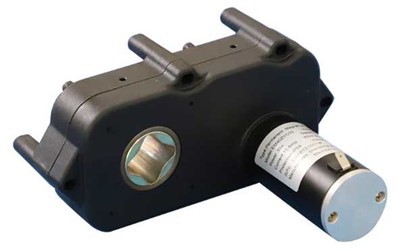
Using an AC gear motor in a hazardous environment requires careful consideration of several key factors, including explosion protection, temperature rating, sealing, and certification. By understanding these requirements and selecting the right motor for the specific application, you can ensure the safety and reliability of your equipment in even the most challenging conditions.
Permanent Magnet DC Moto If you’re looking for a reliable AC gear motor for your hazardous environment application, I encourage you to reach out to us. Our team of experts can help you select the right motor based on your specific requirements and provide you with the support you need for a successful installation. Contact us today to discuss your project and get started on finding the perfect solution for your needs.
References
- National Electrical Code (NEC), NFPA 70
- International Electrotechnical Commission (IEC) standards for explosive atmospheres
- UL Standards for Safety
- ATEX Directive 2014/34/EU
- IECEx System Documentation
Zibo Auric Mechanical and Electrical Technology Co., Ltd.
As one of the leading ac gear motor manufacturers and suppliers in China, we warmly welcome you to buy advanced ac gear motor for sale here from our factory. All customized motors are with high quality and competitive price.
Address: B419, High-tech Entrepreneurship Park, High-tech Zone, Zibo City
E-mail: cui@auricmotor.com
WebSite: https://www.auricmotor.com/
