As a functional intermediates and specialty chemicals supplier for over 12 years, I’ve navigated my fair share of industry disruptions—none as persistent and far-reaching as the raw material shortages that began to intensify in 2020 and have lingered in varying forms through today. For anyone in our space, the impact on production isn’t just about “not having enough ingredients”; it’s a cascade of challenges that touch every part of our operations, and ultimately, the reliability we promise to our clients in pharmaceuticals, agrochemicals, and advanced materials. Let me break this down with the kind of on-the-ground perspective only someone working directly in production and supply can offer. Functional Intermediates & Specialty Chemicals
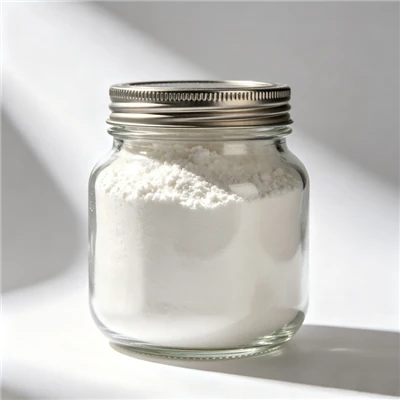
First, it’s critical to distinguish functional intermediates and specialty chemicals from commodity chemicals, because the raw material issues for our segment are uniquely complex. Unlike basic chemicals (like ethylene or methanol) that are traded on global exchanges in large volumes, most of our products are custom-synthesized in small batches, with raw materials often sourced from niche, single-region suppliers. A lot of our key inputs are byproducts from other manufacturing processes, too—so when those parent industries face their own shortages, we’re the first in line to feel the ripple effect. Back in 2021, for example, a sharp downturn in global auto production cut off a major supply of aniline, a raw material we use to make a core intermediate for veterinary pharmaceuticals. Auto factories were idled by chip shortages, so their output of aniline plummeted; within six weeks, our lead time for that intermediate jumped from 6 weeks to 22 weeks, and we had to turn down three small client orders because we simply couldn’t source enough of the base material. That’s not a problem we could solve with a quick switch to an alternative, either—for a lot of specialty intermediates, there are no direct substitutes that meet the strict purity standards required for drug manufacturing. Regulators like the FDA and EMA won’t approve a drug made with a substitute intermediate that hasn’t gone through years of testing, so we’re stuck with whatever raw material we can get, even if it means waiting months.
The production side takes an even bigger hit when raw material shortages hit. Let’s walk through a typical batch run for one of our specialty agrochemical intermediates. First, we need a specific aldehyde as a starting material, which only two suppliers globally produce—one in Southeast Asia, which had a major factory fire in 2022, and one in Europe, which faced energy shortages last winter due to natural gas cuts. When the Southeast Asian supplier went offline, we had to source the entire 2022 annual requirement from the European supplier, who was already struggling to keep their own production running. We were forced to prioritize our largest clients (major agrochemical firms with $100M+ annual budgets) over smaller biotech startups, which hurt our long-term partnerships—something no supplier wants to do, but when you have only 15% of your usual raw material, you can’t spread it evenly without missing delivery deadlines entirely. Even when we did get enough aldehyde, we had to adjust our production process to stretch it further: we reduced batch sizes, added extra purification steps to minimize waste, and worked 24/7 for three weeks to get enough material out, but that drove up production costs by 40% that quarter. We couldn’t pass all that cost on to clients, either—many of our long-term contracts have fixed pricing, so we absorbed nearly $200k in extra costs that quarter, just to keep operations running.
Another underdiscussed impact is on quality and regulatory compliance. When raw materials are scarce, suppliers often cut corners on quality to keep up with demand. We’ve had multiple shipments of raw materials in the last two years that had higher impurity levels than our specifications require. Last year, a batch of aniline we received had 0.8% more residual solvent than the 0.1% limit we need—enough to make our final intermediate non-compliant for pharmaceutical use. We had to reject the entire shipment, which meant another two weeks of delays while we sourced a replacement, and we almost lost a major pharma client who was counting on that intermediate for a drug launch. Even worse, we’ve had situations where we had to use slightly impure raw materials because there was no other option. In 2021, a small batch of our veterinary intermediate had a 0.3% impurity we usually filter out, and while it was still safe (we tested it rigorously), the client had to run extra safety tests, which delayed their drug launch by three months. That’s not a mistake any of us want to make, but when your raw material options are limited, compliance sometimes becomes a tradeoff between meeting a critical delivery deadline and risking regulatory penalties.
The ripple effects go beyond our factory floor, too. Our clients rely on us to deliver consistent, on-time intermediates, and when we can’t, their entire supply chains get disrupted. Last quarter, a biotech client we work with was set to launch a new diabetes drug, but a key intermediate we supply was on backorder. They had to delay their clinical trial enrollment window, which pushed their FDA approval timeline back a full year. That’s a huge setback for a company with 200 employees, and it all traces back to a raw material shortage for one small functional intermediate. We tried to help—we offered to run a custom synthesis using a different raw material (even though it was more expensive and took longer), but it wasn’t enough to avoid the delay. For a specialty supplier, our value is solving complex problems for our clients, but when the problem is outside our control, it’s hard not to feel like we’re letting people down.
I’ve also noticed that the shortages have changed how our clients approach supply chain management. Pre-2020, most of our clients kept 4-6 weeks of raw material inventory on hand; now, many are holding 12-16 weeks, and some are even dual-sourcing raw materials, even if it means paying a 20% premium for a second supplier. That’s a smart move, but it also means they’re ordering less from us, because they’re covering their own raw material needs first. We’ve had to adjust our own inventory strategy, too—we now hold 8 weeks of finished goods inventory for our top-selling intermediates, which ties up a lot of working capital. It’s a balancing act: hold too much, and we waste money on expired material; hold too little, and we can’t fulfill orders when shortages hit.
For suppliers like us, there’s no silver bullet to fix raw material shortages, but we’ve started taking steps to mitigate the impact. First, we’ve built long-term contracts with our key raw material suppliers, locking in fixed pricing and priority access during shortages. Last year, we signed a 5-year agreement with the European aniline supplier I mentioned earlier, which guarantees us 30% of their annual output, even if demand spikes. Second, we’ve invested in R&D for alternative raw materials and synthesis routes. For one of our key intermediates, we recently developed a process that uses a byproduct from a food and beverage manufacturer instead of the rare aldehyde we used before. It’s taken two years of testing and regulatory approval, but it’s already cut our dependency on the original raw material by 40%. Third, we’ve started working more closely with our clients on demand forecasting. We share our raw material lead times and production capacity with them six months in advance, so they can adjust their orders instead of waiting until the last minute. That’s helped reduce last-minute rush orders by 60% in the last year, which has freed up our team to focus on solving other supply chain issues.
But even with these steps, there’s no ignoring the fact that raw material shortages are here to stay, at least in some form. Geopolitical tensions, energy transition shifts (many raw materials are used in battery production now, so demand is spiking there), and ongoing supply chain bottlenecks mean that we can’t go back to the “just-in-time” model we used to rely on. For specialty chemical suppliers, that means we have to be flexible, innovative, and transparent with our clients—something we’ve always prioritized, but is more important than ever.
If you’re a buyer of functional intermediates or specialty chemicals, I know how frustrating it is to deal with delayed orders, rising costs, and supply chain uncertainty. As a supplier who’s been in this space for years, I can tell you that the most successful partnerships are the ones where we work together to solve problems. If you’re looking for a reliable partner who will be honest about lead times, work with you to adjust order timelines, and invest in long-term solutions to reduce dependency on scarce raw materials, don’t hesitate to reach out. We’re here to help you navigate these challenges, just like we’ve helped hundreds of clients over the years.
Organic Acids References
- European Chemical Industry Council (Cefic). 2023. Raw Material Shortages in Specialty Chemicals: Impact and Mitigation Strategies.
- U.S. Environmental Protection Agency (EPA). 2022. Specialty Chemical Supply Chain Disruptions: Regulatory and Operational Implications.
- McKinsey & Company. 2023. Global Specialty Chemicals Supply Chain: Navigating Persistent Raw Material Shortages.
- International Council of Chemical Associations (ICCA). 2022. Functional Intermediates: Supply Chain Resilience and Market Trends.
- Food and Drug Administration (FDA). 2021. Guidance on Specialty Intermediate Quality and Supply Chain Disruptions for Pharmaceutical Manufacturers.
Shanghai Dingwujin Chemical Co., Ltd.
Shanghai Dingwujin Chemical Co., Ltd. is one of the most professional functional intermediates & specialty chemicals suppliers in China. We cooperate with qualified Chinese manufacturers and provide high quality customized service. With over a decade of experience in local chemical trade, we have long been deeply engaged in the markets of EU Central & Eastern Europe, the Western Balkans, Ukraine and Moldova. Welcome to buy bulk high quality functional intermediates & specialty chemicals made in China here from our company.
Address: No. 12, Lane 199, Yefan Road, Yexie Town, Songjiang District, Shanghai, P.R.China
E-mail: dwjchem@dwjchem.com
WebSite: https://www.7dchem.com/
