Hey there! I’m a supplier of 3/1 twill weave fabric, and I often get asked if this type of weave is resistant to stains. Well, let’s dive into this topic and find out the real deal. 3 1 Twill Weave

First off, let’s talk a bit about what 3/1 twill weave is. It’s a type of fabric weave where three warp threads pass over one weft thread. This creates a diagonal pattern on the fabric surface, which gives it a distinct look and feel. The diagonal lines are not only aesthetically pleasing but also contribute to the fabric’s strength and durability.
Now, when it comes to stain resistance, there are a few factors to consider. The nature of the 3/1 twill weave itself doesn’t directly make it stain – resistant. But there are some aspects related to the weave that can have an impact on how it deals with stains.
One of the things about 3/1 twill is its structure. The tightness of the weave can play a role. A well – woven 3/1 twill with a relatively tight construction can prevent stains from seeping in as easily as a looser weave. When the threads are closer together, there are fewer gaps for the stain to penetrate into the fabric. For example, if you spill a little bit of coffee on a tight 3/1 twill fabric, it might just sit on the surface for a while instead of quickly soaking in.
However, it’s important to note that just the weave alone isn’t enough to guarantee stain resistance. The type of fiber used in the fabric is also crucial. If the fabric is made from natural fibers like cotton, it has a tendency to absorb liquids. Cotton fibers have a lot of tiny pores that can soak up stains. So, even with a 3/1 twill weave, a cotton – based fabric might not be super stain – resistant.
On the other hand, synthetic fibers can offer better stain resistance. Polyester, for instance, is a synthetic fiber that is known for being less absorbent. When a 3/1 twill weave is made from polyester, it can be more resistant to stains. Polyester fibers don’t have the same porous structure as cotton, so stains are less likely to be absorbed. They often just bead up on the surface, making them easier to wipe off.
Another factor to consider is the finish applied to the fabric. Some 3/1 twill fabrics can be treated with special finishes to enhance their stain – resistant properties. These finishes can create a barrier on the fabric surface that repels liquids. For example, a water – repellent finish can prevent water – based stains from soaking in. There are also oil – repellent finishes that can help with greasy stains.
Let’s talk about real – life scenarios. Say you’re using a 3/1 twill fabric for upholstery in your living room. If you have kids or pets, stains are almost inevitable. If it’s a cotton 3/1 twill, you might notice that spills like juice or mud can leave stubborn stains. But if it’s a polyester 3/1 twill with a stain – resistant finish, you’ll probably have an easier time cleaning up. You can just use a damp cloth to wipe away most of the spills without having to worry too much about the stain setting in.
In the industrial setting, 3/1 twill fabrics are also used in workwear. Workers often deal with all sorts of stains, from oil and grease to dirt and chemicals. Here, the choice of fiber and finish becomes even more important. A polyester – based 3/1 twill with a chemical – resistant finish can be a great option for workers in the automotive or manufacturing industries. It can protect their clothing from getting permanently stained by the substances they come into contact with.
Now, let’s compare 3/1 twill weave with other weaves in terms of stain resistance. Plain weave, for example, has a more open structure compared to 3/1 twill. This means that stains can penetrate more easily into a plain – weave fabric. In contrast, the diagonal structure of 3/1 twill can provide a bit more of a barrier against stains. However, satin weave, which has a very smooth surface, can sometimes be more stain – resistant because stains are less likely to get caught in the fabric’s texture. But satin weave might not be as durable as 3/1 twill.
So, to answer the question "Is 3/1 twill weave resistant to stains?", it depends. If it’s made from the right fibers, has a tight weave, and is treated with a stain – resistant finish, it can be quite resistant to stains. But if it’s a natural – fiber fabric without any special treatment, it might not be as stain – resistant as you’d like.
As a supplier of 3/1 twill weave fabric, I can offer a wide range of options. We have fabrics made from different fibers, including cotton, polyester, and blends. We can also provide fabrics with various finishes to meet your specific stain – resistance needs. Whether you’re looking for fabric for home decor, workwear, or any other application, we’ve got you covered.
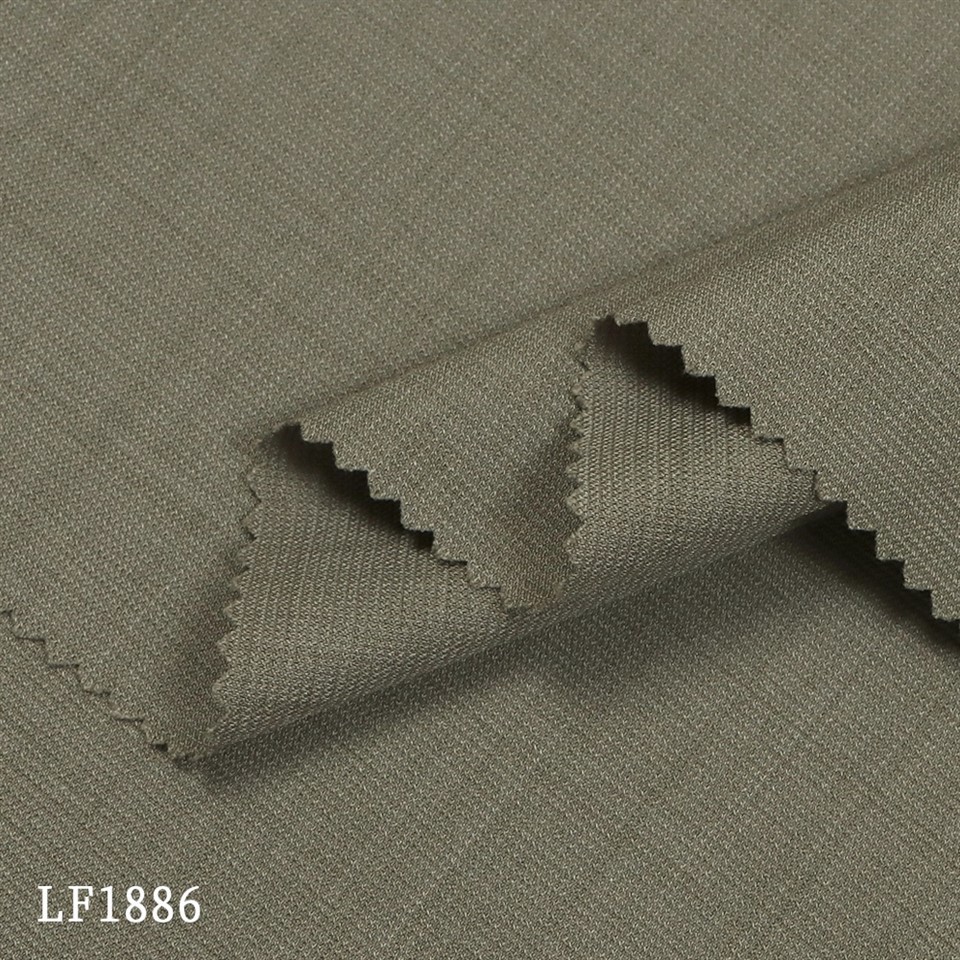
If you’re interested in learning more about our 3/1 twill weave fabrics or have any questions about stain resistance, don’t hesitate to reach out. We’d love to have a chat with you and help you find the perfect fabric for your project. Contact us to start a discussion about your procurement needs, and let’s work together to get you the best 3/1 twill weave fabric for your requirements.
Cavalry Twill References:
- Textile Science textbooks
- Industry reports on fabric properties
Shaoxing Huichao Textile Co., Ltd.
As one of the most professional 3 1 twill weave manufacturers and suppliers in China, we offer a wide range of products with superior quality. We warmly welcome you to wholesale bulk 3 1 twill weave in stock here from our factory. If you have any enquiry about cooperation, please feel free to email us.
Address: Shenyue International Build ing, Unit 1603-1605, Keqiao District, Shaoxing City, Zhejiang Province, China
E-mail: darrenzhong@huichaotextile.com
WebSite: https://www.huichaotextile.com/
