Hey there! I’m a supplier of trunnion ball valves, and I know how crucial it is to pick the right packing for these valves. In this blog, I’ll share some tips on how to make that selection, based on my years in the business. Trunnion Ball Valve

First off, let’s talk about what packing is and why it’s so important. Packing is the material that seals the valve stem, preventing fluid or gas from leaking out. It’s like the gasket that keeps everything tight and secure. If you choose the wrong packing, you could end up with leaks, which can be a real headache. Not only can it lead to product loss, but it can also be a safety hazard.
So, how do you go about selecting the right packing? Well, the first thing you need to consider is the type of fluid or gas that the valve will be handling. Different fluids and gases have different properties, and you need to choose a packing material that can withstand those properties. For example, if you’re dealing with a corrosive fluid, you’ll need a packing material that is resistant to corrosion. Some common materials for this purpose include PTFE (polytetrafluoroethylene) and graphite.
PTFE is a great choice for many applications because it’s highly resistant to chemicals and has a low friction coefficient. This means it can handle a wide range of fluids and gases without breaking down. Graphite, on the other hand, is known for its high temperature resistance and excellent sealing properties. It’s often used in high-pressure and high-temperature applications.
Another important factor to consider is the pressure and temperature of the system. If the valve will be operating at high pressures or temperatures, you’ll need a packing material that can handle those conditions. For high-pressure applications, you might want to consider a packing material that is reinforced with fibers or has a high density. For high-temperature applications, materials like ceramic or metal can be a good choice.
The size and design of the valve also play a role in packing selection. Different valve sizes and designs require different types of packing. For example, a larger valve might need a thicker packing to ensure a proper seal. You also need to consider the shape of the valve stem and the packing gland. Some valves have a more complex design, which might require a custom-made packing.
It’s also a good idea to consider the environment in which the valve will be operating. If the valve is going to be exposed to harsh conditions, such as extreme temperatures, humidity, or chemicals, you’ll need a packing material that can withstand those conditions. For example, if the valve is going to be used in an outdoor environment, you might want to choose a packing material that is resistant to UV rays and weathering.
Now, let’s talk about some of the different types of packing available. There are several types of packing materials, each with its own advantages and disadvantages.
- Braided Packing: This is one of the most common types of packing. It’s made by braiding fibers together to form a rope-like material. Braided packing is easy to install and can be used in a wide range of applications. It’s also relatively inexpensive. However, it might not be suitable for high-pressure or high-temperature applications.
- Compressed Packing: Compressed packing is made by compressing a material into a solid block. It’s often used in high-pressure applications because it can provide a tight seal. Compressed packing can be made from a variety of materials, including PTFE, graphite, and ceramic.
- Molded Packing: Molded packing is made by molding a material into a specific shape. It’s often used in valves with complex designs because it can be customized to fit the valve. Molded packing can be made from a variety of materials, including rubber and plastic.
When selecting packing, it’s also important to consider the installation process. Some packing materials are easier to install than others. For example, braided packing can be easily cut to the right length and wrapped around the valve stem. Compressed packing, on the other hand, might require special tools and techniques to install.
It’s also a good idea to consult with a packing expert or a valve manufacturer. They can provide you with more information about the different types of packing and help you choose the right one for your application. They can also offer advice on installation and maintenance.
In conclusion, selecting the right packing for a trunnion ball valve is a crucial step in ensuring the proper operation of the valve. By considering the type of fluid or gas, the pressure and temperature of the system, the size and design of the valve, and the environment in which the valve will be operating, you can choose a packing material that will provide a reliable seal. If you have any questions or need help with packing selection, don’t hesitate to reach out. We’re here to help you make the right choice for your trunnion ball valve.
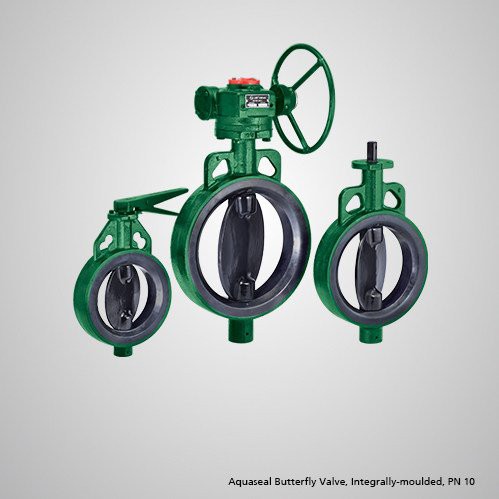
If you’re in the market for trunnion ball valves or need more information about packing, feel free to contact us for a purchase discussion. We’re always happy to help you find the best solutions for your needs.
Butterfly Valve References:
- Valve Handbook by Robert W. Saunders
- Industrial Valves: Selection and Sizing by James E. Spitzer
Zhejiang Sunawei Valve Co., Ltd.
As one of the most professional trunnion ball valve manufacturers and suppliers in China, we offer a wide range of valves with superior quality. Please feel free to wholesale high quality trunnion ball valve at competitive price from our factory. We also accept customized orders.
Address: Anfeng Industrial, Oubei Town, Wenzhou City, Zhejiang, China
E-mail: snv@sunawevalve.com
WebSite: https://www.sunay-valves.com/
